Format Notes
Essays on format design, live media infrastructure, and building the morning. Written by Keith Bilous, creator of Mornings in the Lab.
AI Won't Kill Your Career. Your Lack of Taste Will.
AI is not going to kill your career. Your lack of taste is. Once everyone has the same tools, the advantage is no longer the tool — it is judgment. Taste is what separates the operator from the button-pusher.
Read essay →
Your Body Isn't Going Soft. It's Testing Your Integrity.
Your body is not going soft. It is testing your integrity. Middle age stops covering for you and starts reporting. The body is a brutal auditor. Listen while it is still whispering.
Read essay →Your Body Is Testing Your Integrity.
Your body is not going soft. It is testing your integrity. As you age it stops covering for you and starts reporting. That is not betrayal. That is feedback. Listen while it is still whispering.
Read essay →
Bored. Not Burned Out.
Some men are not burned out. They are bored, and they are sedating it. Burnout sounds noble. Boredom demands responsibility. The way back is not always rest. Sometimes the way back is fire.
Read essay →
Gen X Is Infrastructure. Not a Nostalgia Playlist.
Gen X is the backbone of the internet, and somehow we get sold back to ourselves as a memory. But we are not a playlist. We are infrastructure, carrying the heavy middle between analog and AI, and the internet is starving for exactly the judgment we have.
Read essay →
Morning Motivation Is Cheap. Morning Framing Is Priceless.
Most adults do not need more slogans before sunrise. They need a frame for the day before the feed, inbox, and noise claim the first word.
Read essay →
If You Can’t Hold a Room Live, You’re Faking Authority.
Polish is cheap now. Authority is becoming live, relational, and tested in real time. If you cannot hold the room, you may only have a content strategy.
Read essay →
Stress Isn’t a Personality Trait. It’s an Avoidance Strategy.
Stress is real. But sometimes it becomes a socially acceptable shield for the decisions, boundaries, conversations, and truths we keep avoiding.
Read essay →
Your Hustle Is Often Just Fear Wearing a Hoodie
Not all hustle is noble. Sometimes the grind is just fear with better branding, and the real work is stopping long enough to tell the truth.
Read essay →
I Can’t Keep Carrying CEOs Who Refuse to Learn the Future
AI is no longer a side project leaders can delegate away. The future now belongs to CEOs willing to become beginners again before their companies are forced to work around them.
Read essay →
People Don’t Have Attention Problems. They Have Sobriety Problems.
The modern attention crisis is not just distraction. It is stimulation dependency, and the first act of reclaiming your life is learning to start the day before the machine starts you.
Read essay →
Middle Age Is When Your Body Starts Telling the Truth
Middle age is not the body breaking down. It is the body finally presenting an honest accounting of everything you have been ignoring — sleep, stress, neglect, and the promises you keep breaking to yourself.
Read essay →
We Accidentally Turned Hobbies Into Side Hustles
Somewhere between the rise of the creator economy and the gamification of everything, we stopped letting hobbies be hobbies. Now everything needs to produce, post, and count. The private, unmeasured spaces that used to keep people sane are disappearing — not because anyone forced them out, but because we optimized them away ourselves.
Read essay →
Gen X Is the Most Underserved Media Audience on the Internet
The internet obsesses over Gen Z trends, sells Boomers soft nostalgia, and turns Millennial anxiety into a self-optimization product. Meanwhile, Gen X — high-trust, high-spending, carrying the actual weight of the world — sits in the dark, waiting for a media home that never shows up.
Read essay →
Morning Television Is Dead. Morning Media Is Not.
Legacy morning TV is collapsing not because audiences stopped wanting a morning ritual, but because the format stopped earning one. The replacement is live, participatory, human-led, and AI-amplified—and the slot has never been more open.
Read essay →
Live Streaming Is Growing Up — and Most People Still Think It's a Toy
Live streaming isn't a feature anymore. It's becoming a format — and the creators who understand the difference between going live and building a room are the ones who will own the next serious layer of media.
Read essay →
We Are Building a New Morning Format: The LIVE Authority Network
The old categories — show, podcast, newsletter, community — are too small for what is actually being built. The LIVE Authority Network is a morning system where authority is earned in public, every day, through presence, habit, and trust.
Read essay →
The Men Who Will Win the AI Era Are the Ones With a Point of View
AI makes polish cheap. Execution gets democratized. And suddenly the only thing that still costs something — earned judgment, real scars, a genuine point of view — becomes the most valuable thing you own.
Read essay →
Your Calendar Tells the Truth Your Mouth Avoids
Your bio can lie. Your posts can lie. Your intentions can lie. But your calendar is a receipt — and it doesn't care what you meant to do.
Read essay →
The Internet Turned Men Into Spectators of Their Own Lives
There is a difference between being informed and being involved. A lot of men have confused the two—and the internet is perfectly designed to keep that confusion alive.
Read essay →
Nostalgia Is a Drug — and Gen X Needs to Be Careful With It
Nostalgia is a drug, and Gen X is very good at taking it. The question is whether memory becomes wisdom or a cage. There is a difference between honoring where you came from and hiding there. And the world right now needs translators, not mascots.
Read essay →
This Is What a Network Looks Like Before the World Understands It
Most people don't recognize a new category while it's being built. They recognize it after — when it's obvious, named, and already claimed. This is what a network looks like before that moment arrives.
Read essay →
We Are the Last Generation That Remembers Before
Gen X may be the last generation that genuinely remembers life before the machine swallowed the room. That memory is not nostalgia. It is a form of power — and it carries a specific responsibility.
Read essay →
Perfect Content Is About to Feel Cheap
AI is making polish cheap, not bad — and there is a critical difference. The era where production value signals credibility is ending. What replaces it is trust, presence, and proof. Here is why that changes everything.
Read essay →
Gen X Was Built for This Moment
Gen X is not behind, outdated, or overlooked. We might be the only generation actually built for a world that keeps breaking and rebuilding itself. Here is why that matters more right now than it ever has.
Read essay →
The Middle-Aged Man Has Become Invisible — and That Is a Massive Mistake
The middle-aged man is everywhere — running companies, carrying weight, navigating a world that changes every fifteen minutes — and culture has almost completely stopped talking to him. That is not just an oversight. It is a massive mistake.
Read essay →
We Are Not Building a Show. We Are Building a Morning Habit.
A show is something people watch when they remember. A habit is something people return to without being convinced. The most valuable piece of media real estate is the morning — the window before the world gets its hands on you.
Read essay →
The Future Won't Belong to Creators. It'll Belong to Hosts.
Content is infinite, cheap, and increasingly automated — which makes the creator economy's bottleneck no longer production, but trust. The next wave of media will be won by hosts who build rooms, not creators who chase reach.
Read essay →
Men Don't Fear Death. They Fear Becoming Weak Before They Die.
Men don't fear death — they fear becoming the guy who 'used to' be strong. Keith Bilous on the quiet terror of decline, the difference between enduring and ignoring, and why earning your strength in midlife is the only fight that matters.
Read essay →
The Algorithm Didn't Make Us Stupid. It Made Stupid Profitable.
The algorithm didn't invent outrage, insecurity, or tribalism — it just discovered how profitable they could be. Once stupidity became a business model, intelligent people started pretending to be dumber because the system rewarded it.
Read essay →
Gen X Was Built for the Collapse Nobody Wants to Admit Is Here
Everybody treats Gen X as the forgotten generation — the latchkey middle child. That reading is wrong. We were trained for exactly this moment: the institutional collapse, the synthetic noise, the world where nobody knows who to trust. The question is whether we show up for it.
Read essay →
When Everything Can Be Faked, Trust Becomes the Whole Game
When AI can fake faces, voices, expertise, and presence, quality stops being a differentiator. The new premium is trust — and the only people who will win are those who can prove they are real when there is nowhere to hide.
Read essay →
Your Personality Is Not the Problem. Your Patterns Are.
The things most people call their personality — inconsistency, low discipline, avoiding hard things — are actually just patterns. And patterns, unlike personality, can be broken. Here is why that distinction changes everything.
Read essay →
The Real Midlife Crisis Is Not the Car. It Is the Quiet.
The real midlife crisis is not a sports car or a dramatic breakdown — it is the slow, quiet realization that you built a life that looks fine from the outside and feels dead on the inside. Here is what that actually means, and what to do about it.
Read essay →
Naming the Room: Why Gen X Men Are the Audience Nobody Bothered to Claim
Growth starts with resonance, not reach — and the most powerful branding move is naming the room you already built. Here is why Gen X men are the most underserved, most valuable, and most ready audience nobody bothered to claim.
Read essay →
One Strait Away From Panic
We call it resilience. We call it strength. But what most of us have built — in our lives, our businesses, our economies — is a routine that works beautifully right up until the moment it doesn't. One waterway, one disruption, one thing going sideways, and the illusion breaks.
Read essay →
The Creator Economy Is Replacing People With Their Own Avatars
The threat to creators isn't AI replacing creativity. It's AI replacing presence. And presence is where trust has always lived. The people who understand that distinction early are the ones who'll still matter when the dust settles.
Read essay →
Social Media Is Not Entertainment Anymore
We keep talking about Instagram and TikTok like they're neutral tools. They're not. They're casinos in your pocket with a prettier interface — and regulators are finally starting to say so out loud.
Read essay →
AI Didn't Kill Your Job. Weak Companies Did.
Everyone's blaming AI for the layoffs. That's too convenient. AI didn't create bloated org charts, fake productivity systems, or cultures built around looking busy. It just lit up the X-ray and showed everyone where the rot already was.
Read essay →
We Have Lost the Ability to React Like Adults
Peace talks stall, a blockade forms, energy corridors crack — and the dominant cultural response is memes, tribal performance, and instant takes. We've built a civilization that confuses reaction with wisdom, and it's exposing something deeper than geopolitics.
Read essay →
You Can Outgrow a Version of Love
One of the hardest things to admit is that you can love someone and still outgrow the version of love you built with them. That is not betrayal. That is honesty.
Read essay →
There Are People Who Never Left High School
They left the building. They left the cafeteria. But mentally, emotionally, socially—a lot of people never left. And once you see it, you cannot unsee it.
Read essay →
Most Advice Is Useless Because It Ignores Human Nature
Most advice sounds smart and changes nothing. Not because people are weak—but because the advice was never designed for real human behavior in the first place.
Read essay →
Nothing Is Permanent
When your dog gets old, you are not just looking at them. You are looking at time. You are looking at your own life. You are looking at the fact that nothing here is permanent.
Read essay →
You Do Not Need a Break. You Need a Bigger Reason.
A lot of people are calling something burnout that is actually something else entirely. The problem is not your schedule. It is your disconnection from the reason.
Read essay →
Discipline Starts Where Negotiation Ends
Most people don't fail because they don't know what to do. They fail because they keep reopening decisions that should already be closed. The real leak isn't information — it's negotiation.
Read essay →
The Next Great Media Companies Will Feel Half Human, Half Machine
The future of media isn't humans versus AI. It's human judgment, taste, and trust — amplified by systems that extend the reach and rhythm of the people at the center.
Read essay →
Men Don't Need More Hype. They Need a Higher Standard.
Motivation is unlimited and everywhere. And yet a lot of men are still stuck. The problem isn't access to fire — it's the absence of a standard that holds when the fire goes out.
Read essay →
The First Voice Sets the Room
Whoever speaks first doesn't just speak. They frame. They set emotional temperature. They tell everyone else what's possible. And most people give that power away every single day.
Read essay →
AI Has a Trust Problem
Quality can be manufactured. Style can be replicated. Voices can be cloned. But trust still has to be earned — and that changes everything about where the next era of media is headed.
Read essay →
Trust Is the Product. The Show Is the Mechanism.
Seven hundred mornings into a live show, the thing that changes is not the content — it is what the content produces. People stop coming because of what you sell and start coming because they trust how you think. That shift from product to trust is the whole game, and the show is simply the mechanism that makes it happen one morning at a time.
Read essay →
Media Is Shrinking. Brands Are Becoming the Channel.
Traditional media is not having a bad quarter — it is undergoing a structural contraction that is not reversing. While newsrooms shrink and ad models collapse, mid-market brands with real expertise and an audience that would show up if invited are sitting on an untapped infrastructure advantage. The first serious player in any category to become the daily voice makes everyone else sound like a press release.
Read essay →
The Numbers Agree. Your Fear Doesn't.
Every data point on live content points the same direction — longer watch time, higher engagement, better retention, stronger emotional response. The brands defaulting to polished, edited, safe are not making a data-driven decision. They are making a fear-driven one. And fear is costing them market share in real time.
Read essay →
You're Not the Center. You're the Catalyst.
Around episode 100, something shifted — the regulars stopped talking to the host and started talking to each other. That moment revealed the real job of a community builder: not to be the center of the room, but to create conditions so the room can organize itself. You cannot buy that kind of gravity. You earn it, rep by rep.
Read essay →
The Market Is Flooding. Trust Becomes Luxury.
AI is about to do to content what cheap manufacturing did to fashion — flood the market with good-enough, forcing everything real to the top shelf. Every time a technology lowers the production floor, scarcity migrates upward, and the brands that understand this dynamic now are positioning for a market that hasn't fully arrived yet. Volume gets impressions. Value gets believers.
Read essay →
Big Guests Are Often Bad Guests
Seven hundred episodes in, the hardest lesson is still the one most hosts refuse to learn: the biggest name available is rarely the best guest for the room. A guarded, rehearsed, clock-watching celebrity makes for a flat episode. An unknown practitioner with a real point of view and genuine curiosity makes for something electric. Great live conversation is not charisma — it is design.
Read essay →
You're Already a Media Company. You're Just in Denial.
Every brand that publishes content, distributes it, measures performance, and chases attention is already operating as a media company — they just have not admitted it yet. The difference between brands that drift and brands that define is not budget or headcount. It is the discipline to show up with a real opinion and defend it in public, consistently enough that people start referencing you instead of your competitors.
Read essay →
You Don't Own Your Audience
Everything you've built on Instagram, TikTok, and LinkedIn — you don't own it. That's not drama, that's the contract. You're renting land from companies whose job is to change the rules whenever it benefits them. Keith Bilous watched it happen to brands at scale, and the lesson was always the same: build what you own alongside what you rent.
Read essay →
Presence Beats Production
A brand spent $200,000 on a brand video. Beautiful lighting, tight script, clean edit — and 12,000 views that generated nothing. Then a 45-minute LIVE show shot on a laptop created more real opportunities in one week than that brand's entire content strategy produced in a quarter. The difference wasn't budget. It was presence.
Read essay →
I've Seen This Movie Before
In 2002, Keith Bilous was cold-calling executives to tell them that public conversations on the internet were going to matter — and most of them laughed him out of the room. Today, brands are treating LIVE the same way. He's seen this movie before, and he knows how it ends.
Read essay →
The Difference Between a Show and a Format
A show is a moment. A format is a machine. Most creators never make the distinction — and that gap is exactly why they stay a scroll instead of becoming a signal. Mornings in the Lab isn't about Keith going live. It's about morning beginning here.
Read essay →
Almost Is the Most Expensive Subscription You Have
Almost feels productive. It gives you the dopamine without the risk, the identity without the exposure, the dream without the deadline. But almost is a subscription — and it renews every single month, billed in time, self-trust, and the low-grade anxiety of a decision you keep refusing to make.
Read essay →
When Sports Become a Loyalty Test
You can win an Olympic gold medal and wake up the next day to find it's not about the win anymore. It's about where you stood and who you stood near. In this era, proximity isn't neutral. If you show up, you're endorsing. If you don't, you're protesting. Athletes are being drafted — not celebrated.
Read essay →
Being Liked Is the Death of a Builder
I caught myself doing it again — softening a sentence, adjusting a word, trading truth for approval in real time. I'm good at approval. I built companies by learning rooms. That skill makes you money. It also makes you foggy. Here's where I draw the line.
Read essay →
Building Publicly Is Harder Than Building Alone
Today I'm raising money for the Lab. I'm saying it out loud because saying it out loud changes you — it forces you to stop hiding behind the work, stop pretending you can carry it alone, and stand in the open with the thing you believe in. Here's what nobody tells you about that moment.
Read essay →
Time Is a Predator. Stop Negotiating with It.
Time isn't neutral when you're an entrepreneur. It doesn't just pass — it takes. Opportunity, energy, relevance, the exact window where your idea still has the power to become the thing. Here's what I've learned about living with that pressure without letting it become paralysis.
Read essay →
53 Is Not a Number. It's a Mirror.
When death shares your exact age, it stops being a headline and becomes a receipt. I'm fifty-three. Eric Dane was fifty-three. And in the space between those two facts, I found myself reckoning with something I'd been postponing: legacy isn't a word for funerals. It's the audit of your actual life, happening right now, whether you're paying attention or not.
Read essay →
The Interface Is Dead. Start Talking to the Machine.
For thirty years we have been trained to adapt to machines. Keyboard. Mouse. Touchscreen. Here is where you click. Here is the workflow. The next wave flips the power dynamic. You do not adapt to the machine. The machine adapts to you. And the people who cannot handle that shift are not blocked by technology. They are blocked by a clarity problem.
Read essay →
Content Is Not the Problem. Belonging Is.
The internet does not have a content problem. It has a belonging problem. People are not starving for another video. They are starving to feel seen, to participate, to matter, to be part of something that is alive. That is the real shift happening in live media right now — and most creators are completely missing it.
Read essay →
The Ground Is Already Shaking. Most People Just Can't Feel It Yet.
Matt Shumer used the February 2020 feeling as a mirror. A few people paying attention. Everyone else still booking vacations. I am living my own version of that same moment right now, in Winnipeg, at dinner tables and in rinks, surrounded by people who are acting like it is 2019. Something big is happening. And the gap between what I am seeing and what most people believe has become so large it feels dangerous.
Read essay →
Borrow My Belief: What Leadership Actually Looks Like
Most people do not need motivation. They need permission. Permission to believe the version of themselves that shows up early, not the one that scrolls late. Leadership is not vibes and headcount. It is truth with love behind it — and the willingness to hold someone to the standard they told you they wanted to reach.
Read essay →
Builders Don't Get Believed. They Get Proven.
There is a specific kind of loneliness that comes with building something people cannot see yet. Not 'I need plans this weekend' lonely. Builder lonely. Where you are surrounded by people who love you and still feel like you are carrying something no one else can hold. Here is the honest version of what that feels like — and why it is not a warning sign. It is a receipt.
Read essay →
You Never Know Who Is Watching. That Is the Point.
People perform when they think it matters — when the big client is in the room, when the camera they planned for is rolling. But the moment that actually changes your life is never the one you staged. It is the quiet Tuesday. The clip that barely got views. The line said half-asleep. Set the bar regardless.
Read essay →
I Get To: Gratitude as Agency
Three words that change everything: I get to. Not I have to. Not I'm stuck with. I get to. It sounds like gratitude. But it is actually a statement of agency — the difference between a life happening to you and a life you are choosing, every day, on purpose.
Read essay →
The Stairs Are Not About Fitness
The stairs are right there, every day, beside the elevator like a silent truth serum. And most people skip them — not because they are lazy, but because they have a self-agreement problem. The stairs are not about cardio. They are about whether your word means anything in the morning.
Read essay →
The Humans First Rebellion Is Already Underway
People are not tired of AI. They are tired of being lied to. Tired of fake certainty, fake empathy, fake community that disappears when the algorithm changes. The pullback is not negativity — it is self-protection. And it is the beginning of something.
Read essay →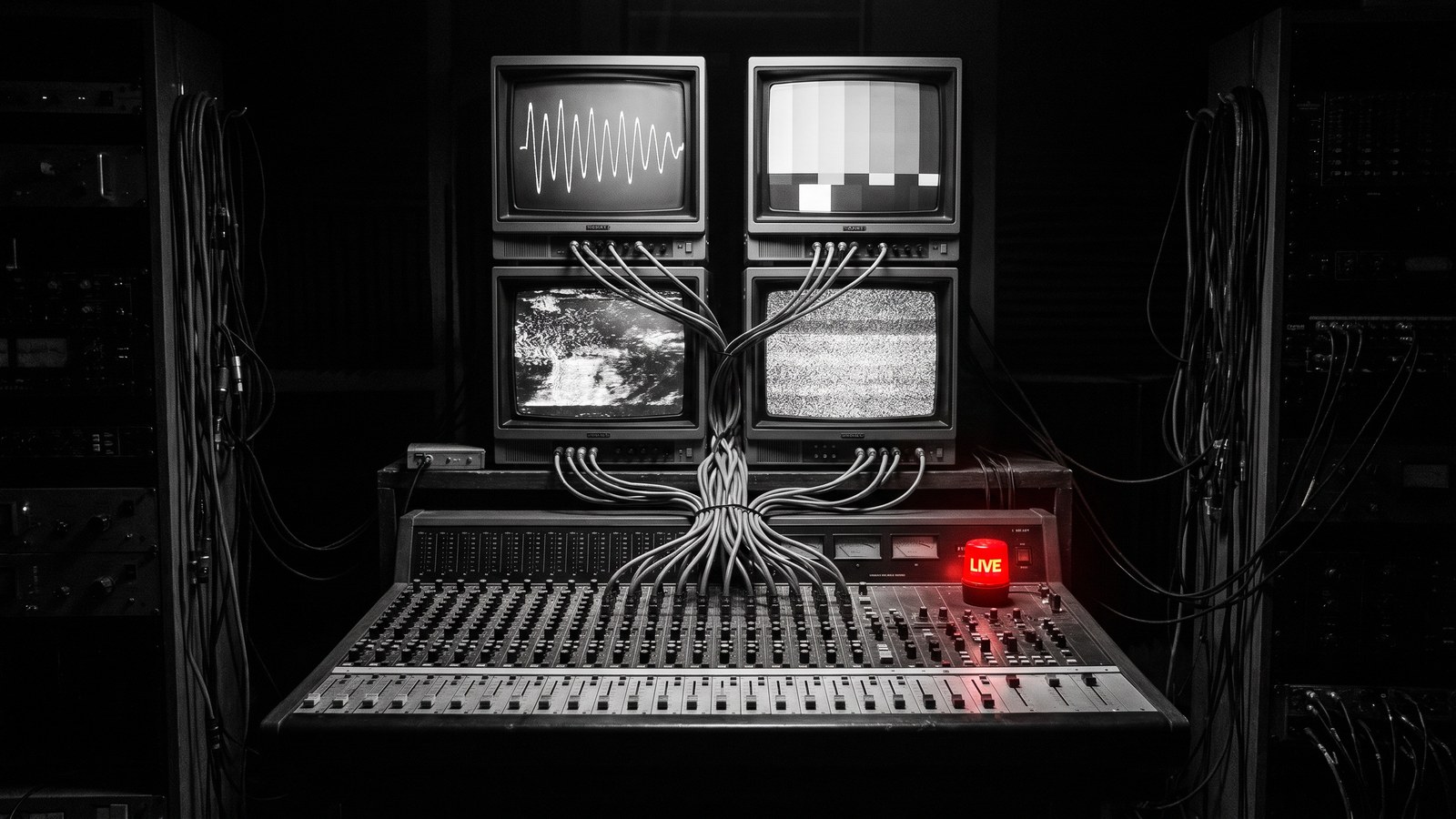
When the Network Stopped Being a Concept
This week, the Mornings in the Lab LIVE Network stopped being a concept. Four shows. A machine that breathes, moves, and ships. If you've never built a network, you'll look at it and think they're just doing shows. No. This is something else. And it's already here.
Read essay →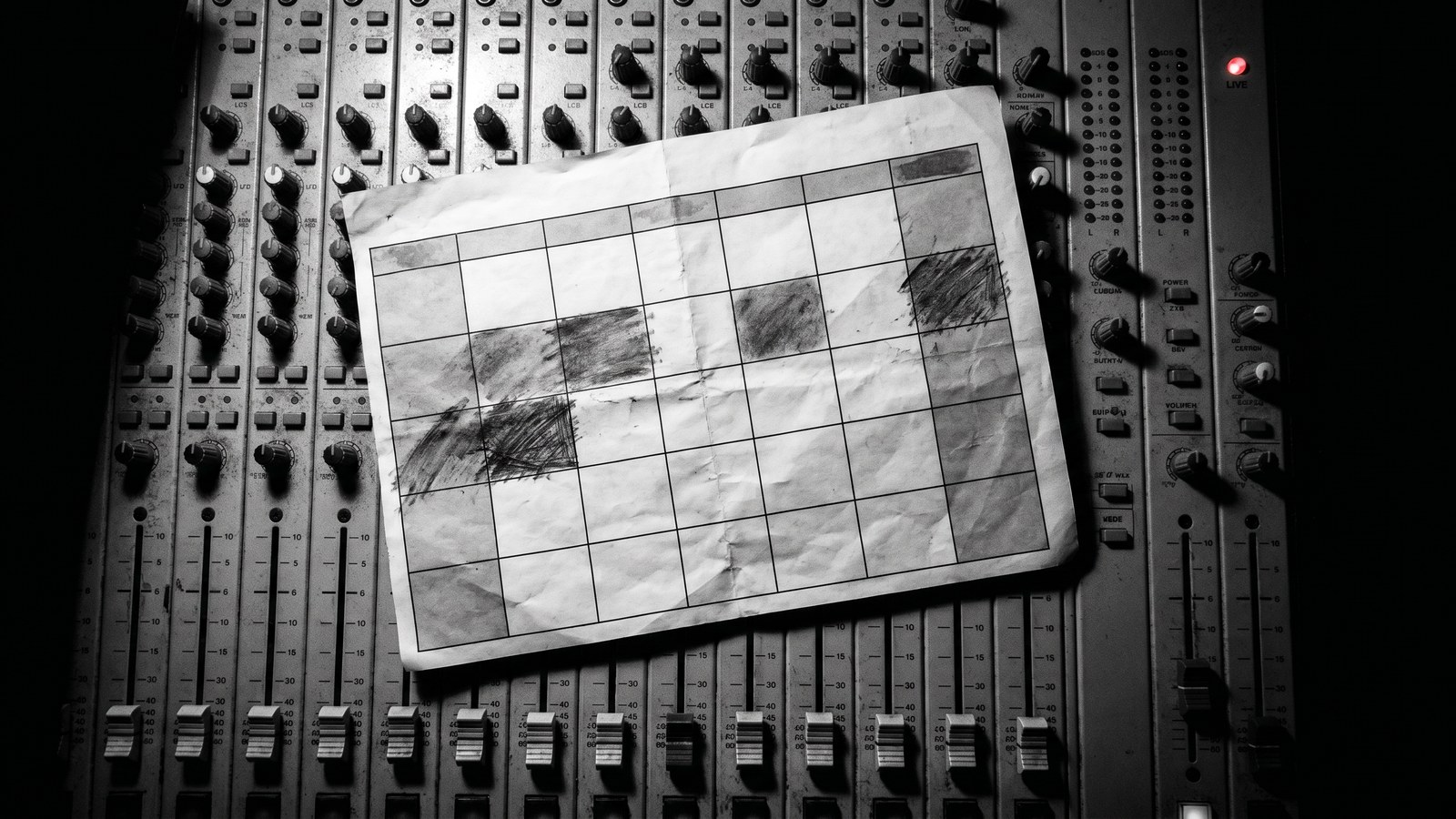
Your Life Is Already Voting. The 7-Day Audit.
You can tell me you're building a business, working on your health, locked in on your goals. Cool. Show me the last seven days. Because your life is already voting — every hour, every decision, every scroll. The question isn't what you believe. It's what your week proves you believe.
Read essay →
Paying the Price on Purpose
Stress is not a character flaw. Stress is the receipt. It is proof you are carrying something that actually matters. The question is not how to eliminate it — it is whether you are paying the price on purpose, for something worth the cost.
Read essay →
The AI Acceleration Gap Is Compounding. Which Side Are You On?
The AI gap isn't widening linearly. It's compounding — like interest. On one side: people using AI as an exoskeleton, compressing weeks into days. On the other side: people waiting to see how it plays out. The scary part isn't where they are now. It's where the math takes them from here.
Read essay →
Problem Solvers Only
Entrepreneurship isn't building a business. It's building a relationship with problems. The logo, the pitch deck, the hustle content — none of that is the job. The job is: what's broken, what's missing, what are we avoiding because it's hard? And if you don't genuinely love that, you're going to hate this life.
Read essay →
What Would I Do Without You?
I can build companies. I can carry pressure. I can take a punch, reset, and keep going. But there are two souls in my life who do something I can't replicate. They don't care about my résumé. They don't care about my wins. They just look at me and go: cool, you're home, we're good now.
Read essay →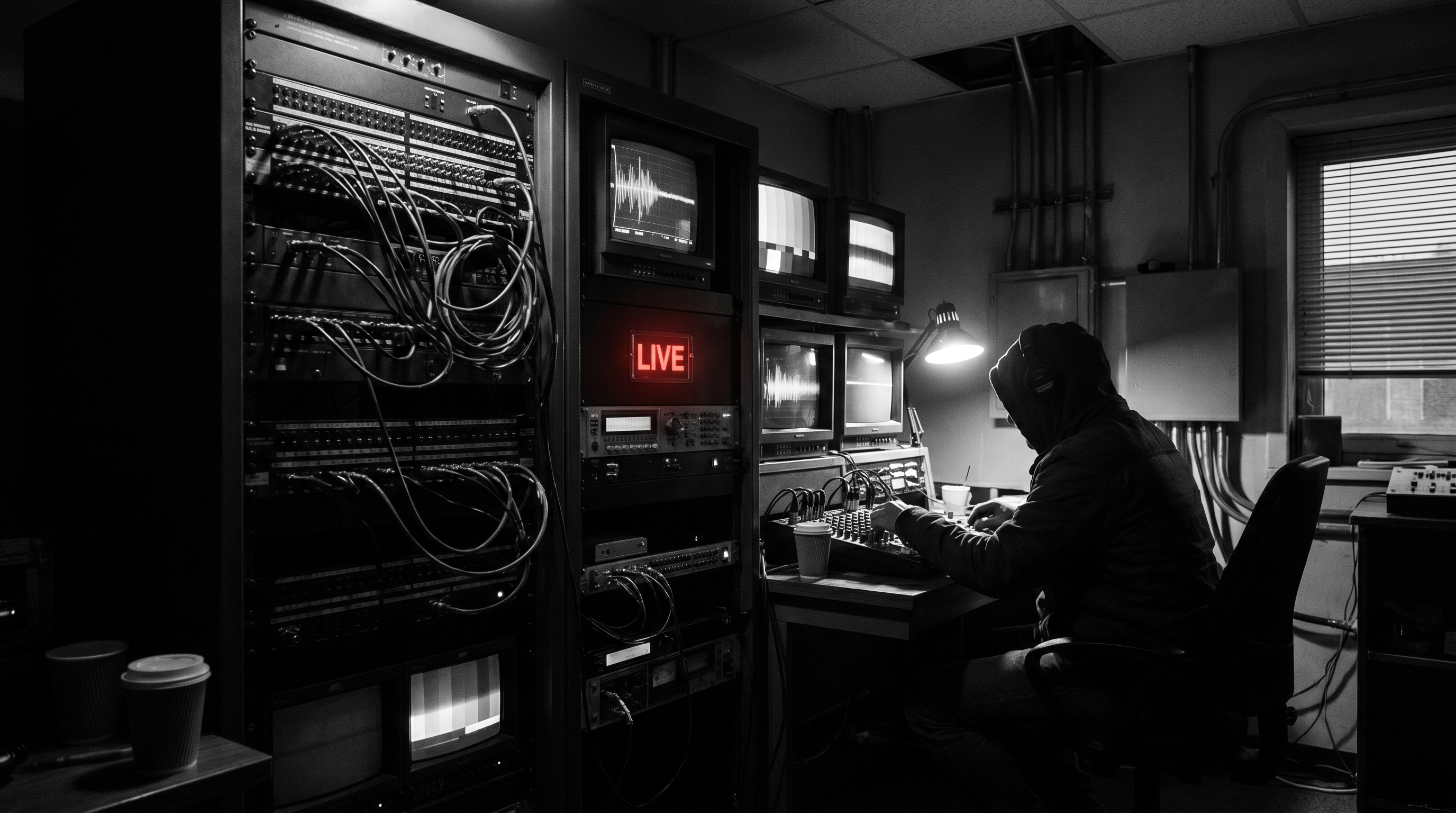
The Morning Doesn't Need More Content. It Needs Infrastructure.
Everyone is using AI to make more content. The morning doesn't need more content. It needs infrastructure.
Read essay →
Stop Negotiating Against Yourself
A few meetings yesterday did something I didn't expect — they reminded me of my value. Not in an ego way. In a quiet way. The kind that hits you on the drive home when you think: oh, I forgot who I am for a second. Here's what that moment uncovered about invisible value, and why the right person in the room changes everything.
Read essay →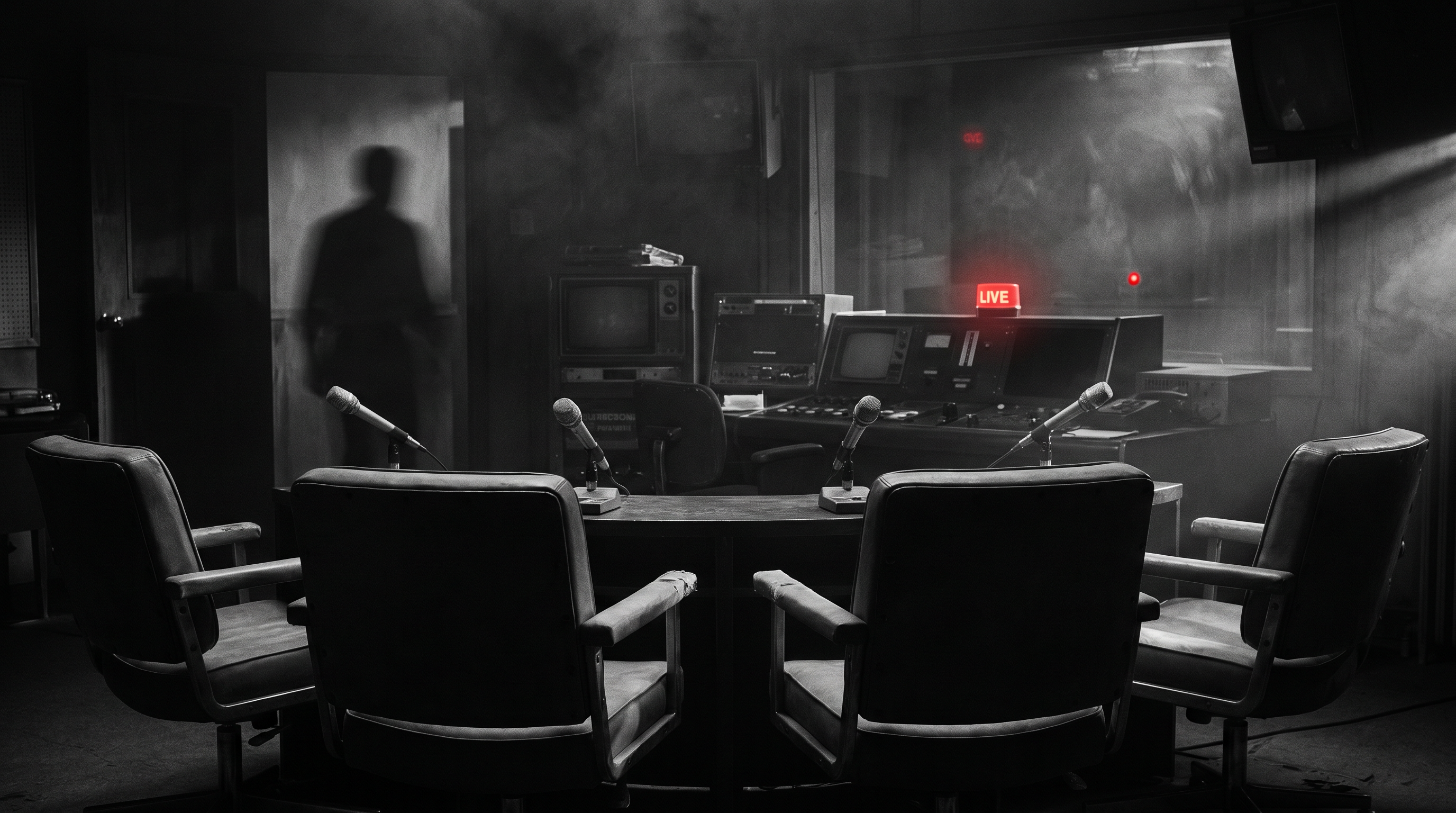
An Audience Watches. A Room Belongs.
That single distinction explains almost everything that's broken about the creator economy.
Read essay →
Step 1 Isn't Optional
Last week I walked into a meeting prepared. Within minutes I could feel it — no alignment, not even close. Different definitions, different priorities, different assumptions. And everyone was mentally sprinting to Step 4 while we couldn't even agree on Step 1. Here's what that costs you, and why skipping alignment isn't speed.
Read essay →
The Men Nobody Is Building For
The creator economy has built an entire infrastructure around teenagers and influencers. It has largely ignored the most economically active demographic in North America.
Read essay →
Leaders Go First — Even When It Hurts
Nobody puts it on the leadership poster: going first means being wrong first. When I reacted to a news story out of Minnesota, came in hot, and then did the research — I had a choice. Pretend. Move on. Or own it. Here's what owning it actually looks like, and why it's the only move that builds real trust.
Read essay →
What Happens When You Go Live 1,000 Times
A thousand live episodes sounds like an accomplishment. I want to use it as a dataset.
Read essay →
Comparison Is Identity Theft
You open your phone at 6:12 a.m. and someone else's life looks cleaner than yours. Their business is bigger. Their body is leaner. Their highlight reel is louder. And suddenly you're not in your own life anymore. You're in court. And the judge is Instagram.
Read essay →
Accountability Is a Format, Not a Feeling
You cannot feel your way to consistent behavior. You have to design your way there.
Read essay →
Men Don't Need More Motivation. They Need Mirrors.
Everyone keeps telling men they need more motivation. More discipline. More fire. And every time I hear that, I think — that's not the problem. Because most men I know aren't lazy. They're not weak. They're not unmotivated. They're disconnected.
Read essay →
The $50M Exit That Almost Killed Me
The wire hit on a Tuesday. $50 million. My company. My name. My decade. Done.
Read essay →
Leadership Is Contact, Not Content
We've trained ourselves to 'lead' from behind a screen without ever letting anyone talk back. We call it community because we have a follower count. We call it influence because the algorithm gave us a little pat on the head. But if nobody can respond — you're not leading. You're broadcasting.
Read essay →
Why Nobody Owns the Morning Anymore
The morning slot was the most valuable real estate in media. Now it sits empty on the internet.
Read essay →
Disciplined Trust: How to Think About Science Without Going Crazy
Science has been wrong before. Four humors. Phlogiston. Nutrition advice that flip-flopped more times than a politician in October. So the question lands hard: if so many accepted ideas got tossed, why trust what experts say today? Here's the honest answer.
Read essay →
I Didn't Create a Show. I Created a Format.
A show is a moment. A format is a machine. That distinction matters more than most creators realize.
Read essay →
When Real Can Be Generated, Trust Becomes the Product
By 2026, authenticity might be infinitely reproducible. Deepfakes, AI audio, AI faces, AI memories — all passing the vibe check. So if 'real' can be generated, what does real even mean? And what does that mean for every creator and brand operating right now?
Read essay →
Clear the Clutter, Keep the Strategy: 4 Ways I Use AI to Protect My Thinking
AI-enhanced thinking isn't about outsourcing your intelligence. It's about removing the mental load that keeps you reactive — so you can stay in strategy, move faster, and actually lead.
Read essay →
Lead with Purpose: Seven Impact-First Wins That Changed Everything
Looking back at 25+ years in business, the moments that actually moved the needle weren’t the flashy exits or the vanity metrics. They were the times I chose impact over ego. Here are the seven wins that shaped everything.
Read essay →