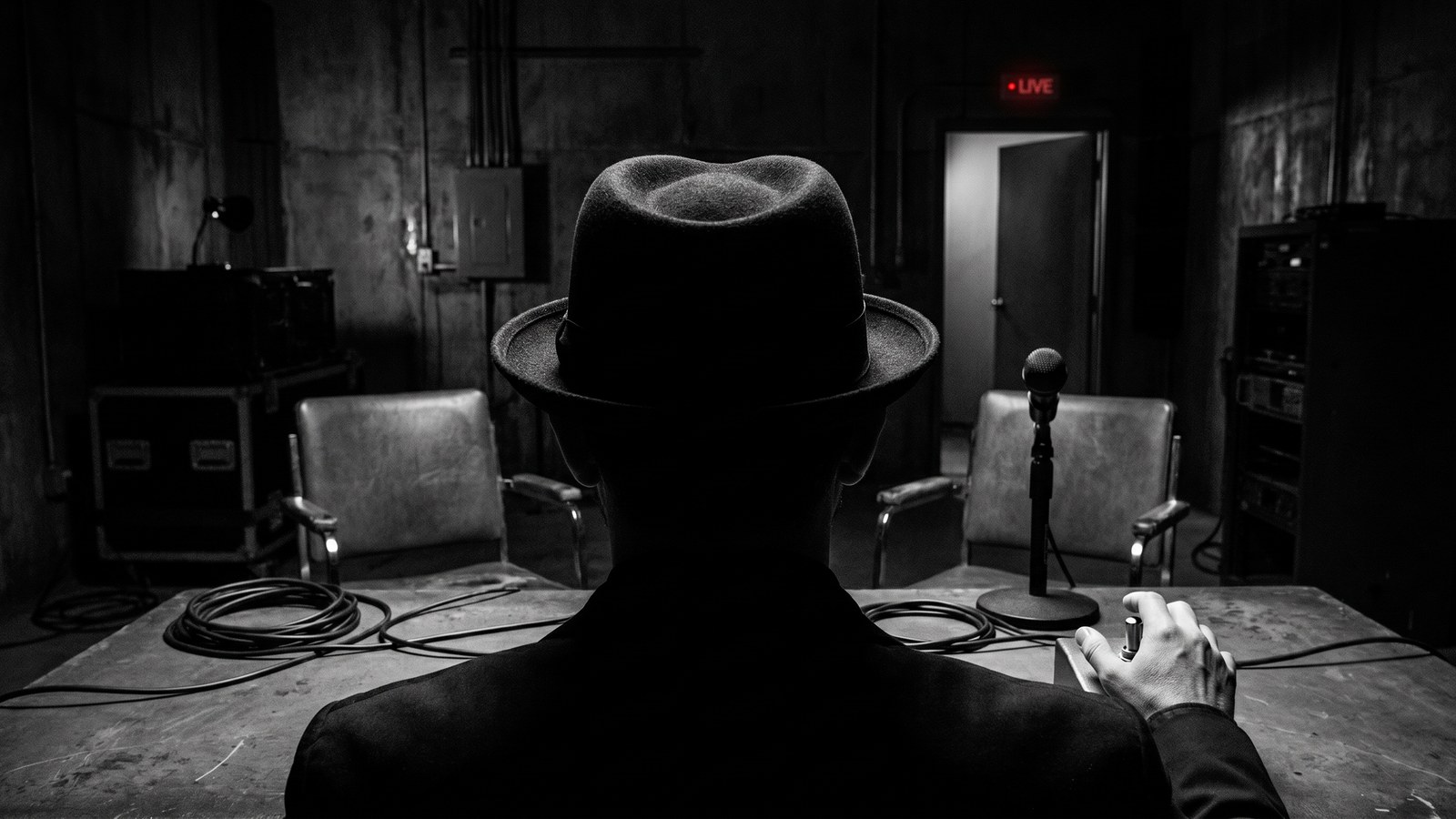
Whoever speaks first does more than just speak. They frame the conversation. They set the emotional temperature. They establish — without saying it directly — what is acceptable, what is possible, and what happens next. That's power. Real power. And most people give it away every single day.
What First Voice Actually Means
They wait to see what everybody else says. They wait for consensus. They wait for permission. They wait for safer language. They wait until the moment has passed and then enter the conversation after the energy is already gone — and then wonder why they feel invisible.
Of course they do. If you are always arriving after the room has already been defined, you are not leading. You are adapting. There is a massive difference between those two things, and the market can feel it.
First voice isn't about speed for its own sake. It's not about blurting something out to chase attention. It's about presence at the moment that matters. The people who win in markets, in media, and in culture are very often not the people with the most information. They are the people who move early enough to shape interpretation. That's what first voice actually is — the willingness to define the moment rather than react to it.
Why the Morning Is First Voice at the Level of Routine
Before the inbox. Before the meetings. Before the algorithm has hijacked your mood and pulled you into everyone else's priorities. The morning is where you either set the room for your day — or you hand that job to someone else.
That's why owning the morning is not a cute productivity slogan. It's strategy. The first thing people hear, feel, and experience has disproportionate power over everything that follows. That's true personally, professionally, in media, in brands, in leadership. The morning is where the pattern gets established or where it collapses.
Why So Much Brand Content Feels Weak
Most brands still behave like late arrivals. They wait until the trend is obvious, until the language is already stale, until somebody else has taken the risk and built the social proof. Then they jump in and dress it up like they're saying something important. But by then the room is already defined.
That's why so much brand content has no voltage. It's not just boring — it's late. It has no timing, no authorship, no signal. It feels like a response to a conversation somebody else started. And nobody remembers the seventh person to say the same thing. The market remembers the signal. The room remembers the voice that gave the moment its shape.
What LIVE Demands — and Why That's the Point
Live rewards readiness. Live rewards clarity. Live rewards people who are actually capable of thinking in public, holding a room, and setting tone in real time. You don't get to hide behind edits. You don't get to wait until it's safe. You either have presence or you don't — and presence is what people feel.
This holds inside organizations too. The first voice in a company meeting defines the room. The first voice in a crisis defines the room. The first voice in a negotiation, in a relationship, in a pitch — all of it. Not because that voice is always right. Because it creates the initial frame. And once the frame is in place, everybody else is reacting to it.
Hesitation Is More Expensive Than You Think
A lot of people hide behind the idea of being "thoughtful" when really they're afraid. Afraid of being wrong. Afraid of being judged. Afraid of saying it imperfectly before it's been polished, softened, approved, or made safe. That's a real cost. Every time you stay silent waiting for the perfect moment, someone else gets to define that moment for you. Someone else frames the issue. Someone else sets the emotional architecture of the room. And then you're stuck responding inside their world.
That's not leadership. Leadership is not just intelligence or credentials or experience. Leadership is signal. It's going first when it matters. It's the willingness to step into uncertainty and create orientation for other people. The first voice defines the room. The only question is whether you'll be the one setting it — or the one walking into a room somebody else already shaped.