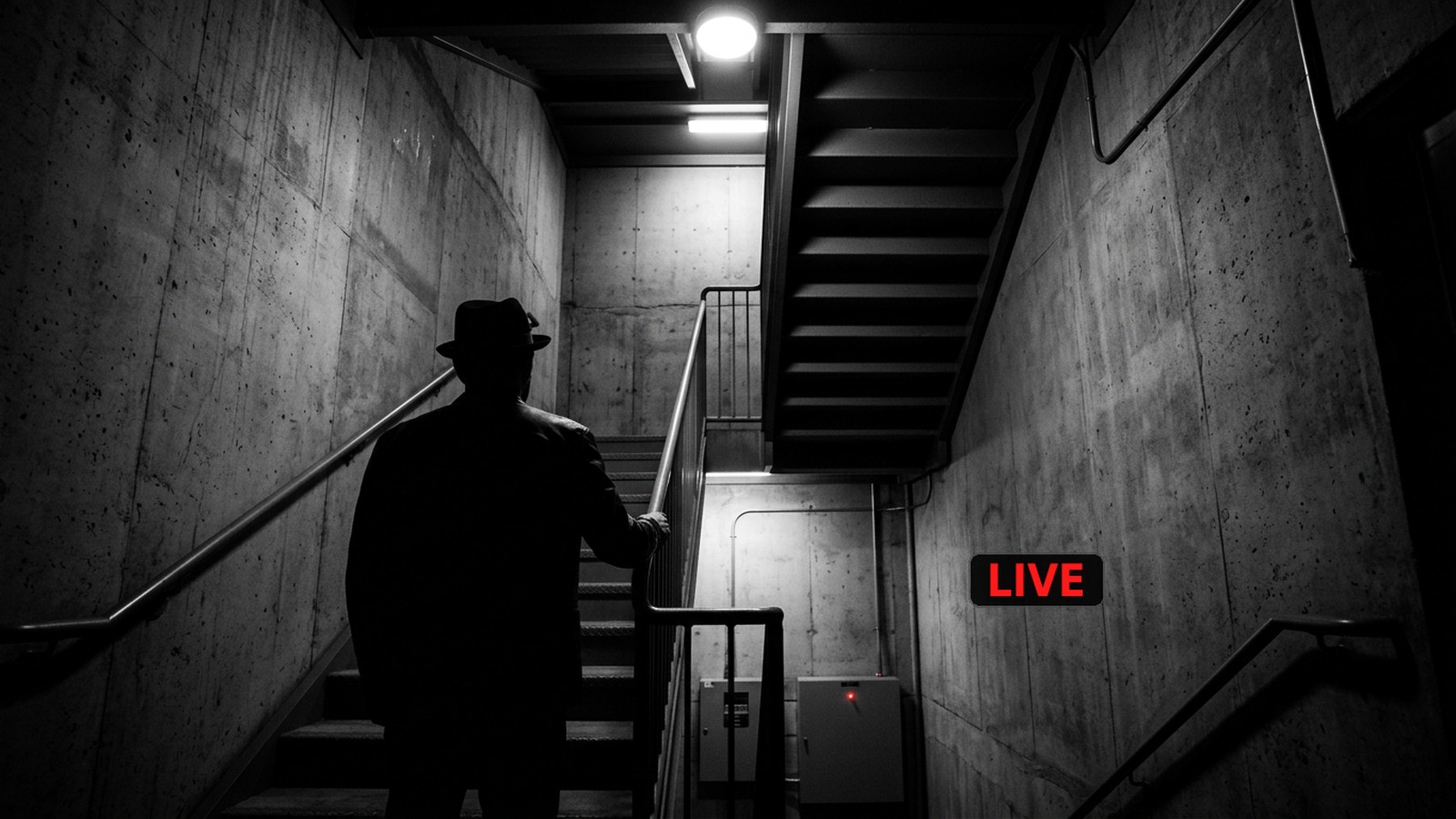
Men don't fear death. Not really.
We joke about it. We shrug at it. We say things like, "When it's my time, it's my time." And maybe, on some level, we mean it. But I don't think death is what scares most men.
What scares men is becoming weak before they die. That's the quiet terror. Not the funeral — the decline. The chair getting harder to get out of. The stairs looking steeper. The bag feeling heavier. The doctor using phrases you don't like. The mirror telling the truth. The moment your body stops feeling like it belongs to you.
Not dying. Becoming dependent. Becoming fragile. Becoming the guy who used to be strong. That phrase hits men harder than we admit.
The Trap of Enduring vs. Ignoring
Most men don't notice the decline until the decline starts embarrassing them. They get winded doing something simple. They avoid the photo. They struggle with something they used to do easily. They need help and hate needing it. So they pretend they're fine.
Men are taught to endure. But too many men confuse enduring with ignoring. Enduring means you face the hard thing and keep moving. Ignoring means the hard thing is growing while you pretend you're being tough. There is nothing tough about denial.
I understand the instinct to downplay. I'm fine. I'm just busy. It's age. It's stress. I'll get back to it. But life doesn't pause while you're planning your comeback. Your body keeps accounting. Every skipped workout. Every ignored signal. Every late night, every extra drink, every stress spiral, every year of "not now." Your body keeps receipts. And eventually, the whisper becomes an announcement. The blood pressure whisper. The back whisper. The sleep whisper. The "something is off here" whisper. Ignore it long enough and one day you're sitting in a doctor's office wondering how it got this far.
Slowly. That's how. Then all at once.
Aging Is Mandatory. Decay Is Negotiable.
You are going to get older. You cannot biohack your way out of mortality. You cannot supplement your way out of time. But you can fight for how you age. You can fight for strength. You can fight for mobility. You can fight for energy. You can fight for dignity. And that fight is not vanity — it's agency.
A man doesn't want to be strong just to impress strangers. He wants to know he can still respond. If something happens, can I respond? If my family needs me, can I respond? If life gets heavy, do I have anything left? That's what strength means to men. Response ability. The ability to respond.
When a man feels that slipping, something changes. He may not say it clearly. He may not even understand it. But he gets quieter. More irritable. More withdrawn. He jokes about getting old. He lowers the bar and calls it acceptance. But sometimes acceptance is just surrender with better branding. And I'm not interested in surrender.
Earned Strength Is Different from Free Strength
Midlife is not the end of strength. It's the test of whether your strength was ever intentional. When you're young, energy is free. Recovery is free. Momentum is free. But after a certain age, nothing is free. You earn it. You earn your mobility. You earn your mood. You earn your sleep. You earn the ability to walk into a room without feeling like life has been beating you with a shovel.
A twenty-two-year-old with energy is not impressive. He's twenty-two. But a fifty-year-old man with discipline? A fifty-five-year-old man who can still move? A sixty-year-old man with strength, clarity, patience, and presence? That man has made decisions. That man has standards. That man has fought time in ways a young man cannot understand yet. That is earned strength.
And that is what men should be chasing. Not anti-aging. Pro-agency. Not pretending time isn't moving — looking time in the face and saying: You can take years from me, but you don't get to take my participation without a fight.
The Real Fear: Disappearing Before You Die
Because that's what weakness steals. Participation. You stop saying yes. You stop going. You stop joining. You stop playing. You stop being in the photo. You stop being in the story. You slowly become an observer of a life you used to be inside of. That's what men fear. And they should — because that's not just aging. That's disappearing.
Too many men disappear before they die. Into the couch. Into the job. Into the garage. Into the phone. Into the pain they refuse to name. Into the body they refuse to rebuild.
I'm not here to shame men fighting real battles. Injury happens. Illness happens. Genetics matter. Life is not fair. But I am here to challenge the men who still have choices and are pretending they don't. Most of us have more agency than we're using. Enough to walk. Enough to lift. Enough to book the appointment. Enough to clean up the food. Enough to stop treating stress as a personality.
That's where it starts. Not with a dramatic transformation. With one honest admission: I'm not where I want to be. Good. Now we can work.
Taking care of yourself is not selfish — it's service. Your health affects everyone who loves you. The people who may one day have to carry the consequences of every warning sign you ignored. Pride gets expensive. Men pay for it with energy, with intimacy, with adventure, with peace, with years.
Men don't fear death. They fear becoming weak before they die. They fear losing the ability to respond. Maybe the answer is not to fear that — but to use it. Let it wake you up. Let it get you walking, lifting, sleeping, honest. Let it get you back into your own life. There is dignity in starting again. There is dignity in being the man who says: I let it slide, but I'm not letting it go.
Death comes for all of us. That part is not negotiable. But weakness? Surrender? Disappearing from your own life before your time? That's where the fight is. And men need to get back in the fight.