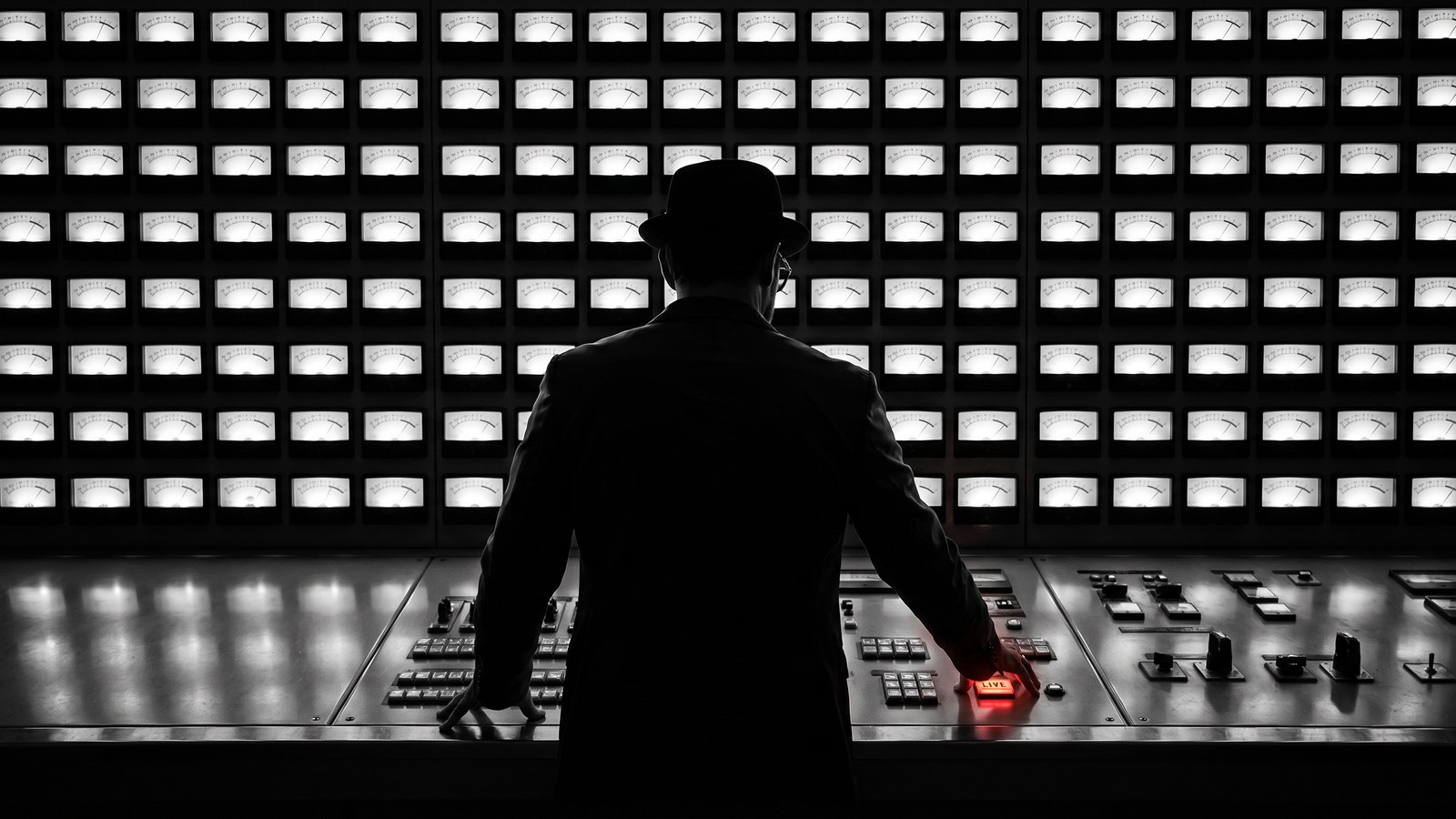
The data is not subtle. Live content drives longer watch times than on-demand. Higher engagement per viewer. More comments. Better retention. Stronger emotional response. The metrics have been pointing the same direction for long enough that this is no longer an emerging trend — it is an established behavioral pattern that the research consistently confirms.
And yet the majority of brands still default to polished, edited, scripted, safe. They spend days on production cycles that reduce risk and, in the process, reduce the thing that actually drives performance. They are not making a data-driven decision. They are making a fear-driven one and calling it professionalism.
Why Live Performs
The performance advantage of live content is not accidental and it is not irrational audience behavior. There is a clear psychological mechanism driving it.
Pre-recorded content asks for passive consumption. The viewer knows it was made in the past, optimized for an imagined viewer, and packaged to minimize friction. There is no stakes. Nothing can go wrong now — it already happened, the outcome is already baked in, the edit already cleaned up the mess. The viewer's role is to receive.
Live inverts the contract. The viewer knows something is happening right now, that the outcome is not yet determined, and that their presence is part of the event. That knowledge changes behavior. People lean in. They comment. They stay longer because leaving feels like missing something. The emotional stakes are real, and real stakes produce real engagement — not the passive scroll-through that pre-recorded content so often generates.
This is not a content format preference. It is a different psychological contract. Pre-recorded content is a product. Live is a moment. And moments create memory in a way that products rarely do.
The Fear Is Real. It Is Also a Strategy.
The reason most brands do not go live is not ignorance. They know the data. They have read the case studies. The reason is fear, and the fear is legitimate: live feels risky. No edits. No re-dos. No place to hide a stumble or a pause or a moment where the words do not come out clean. The audience is there in real time, and whatever happens, happens.
But here is what matters about that fear: it is not going away. Brands that are waiting for live to feel safe are going to wait forever. The discomfort is structural — it is inherent to the format, not a problem that preparation eventually eliminates. The brands that are succeeding with live are not the ones that made it feel safe. They are the ones that chose to be uncomfortable and discovered that the discomfort is manageable, and that the upside is real.
What changes over time is not the risk. What changes is your relationship to it. The first live show feels terrifying. The tenth feels challenging. The hundredth feels like work. And somewhere in that progression, something else happens: discomfort becomes competence, and competence becomes authority. The audience watches you show up imperfectly and keep going, and they trust you more for it, not less. Because the willingness to be seen in real time is itself a signal of confidence that edited content can never communicate.
What the Edit Is Actually Costing You
The edit is not neutral. Every time a brand chooses to wait, review, refine, and publish a polished version of something that could have been live, it is making a trade. It trades spontaneity for control. It trades presence for safety. It trades the psychological contract of a live moment for the lower-engagement contract of a content asset.
That trade has a cost, and the cost is not abstract. It shows up in lower engagement rates. In audiences that consume but do not participate. In brand familiarity that grows more slowly than it would if the company had a consistent, visible, live presence in the market. The edit is not free — it is an expense paid in trust currency that accumulates slowly on the polished side and quickly on the live side.
There is also a competitive cost. The brand in your category that goes live while you stay edited is not just creating better content. It is building a more familiar face, a stronger habit loop, and a faster trust compounding curve. That gap is real and it widens every quarter that passes without live in your media mix.
The Market Share You Are Donating
Every brand that defaults to polished and edited while a competitor goes live is making a donation. The donation is market share, audience familiarity, category authority, and trust — the accumulated compound benefit of consistent visible presence that the brand behind the edit never accumulates.
It is worth saying plainly: the brands willing to be seen in real time are taking something from the brands hiding behind edits. Not in a zero-sum philosophical sense — but in a real, measurable, market-share sense. The live brand becomes the familiar face. The edited brand becomes the brochure. Over a period of years, familiar faces win conversations, referrals, and preference, because humans trust what they have actually experienced over what they have merely seen.
The question is not whether live works. The research settled that. The question is whether the fear of being imperfect in public is worth the cost of invisibility — and whether you are comfortable with the brands willing to answer that question differently slowly becoming the voices your customers think of first.
The numbers agree. The only thing they are waiting on is you.