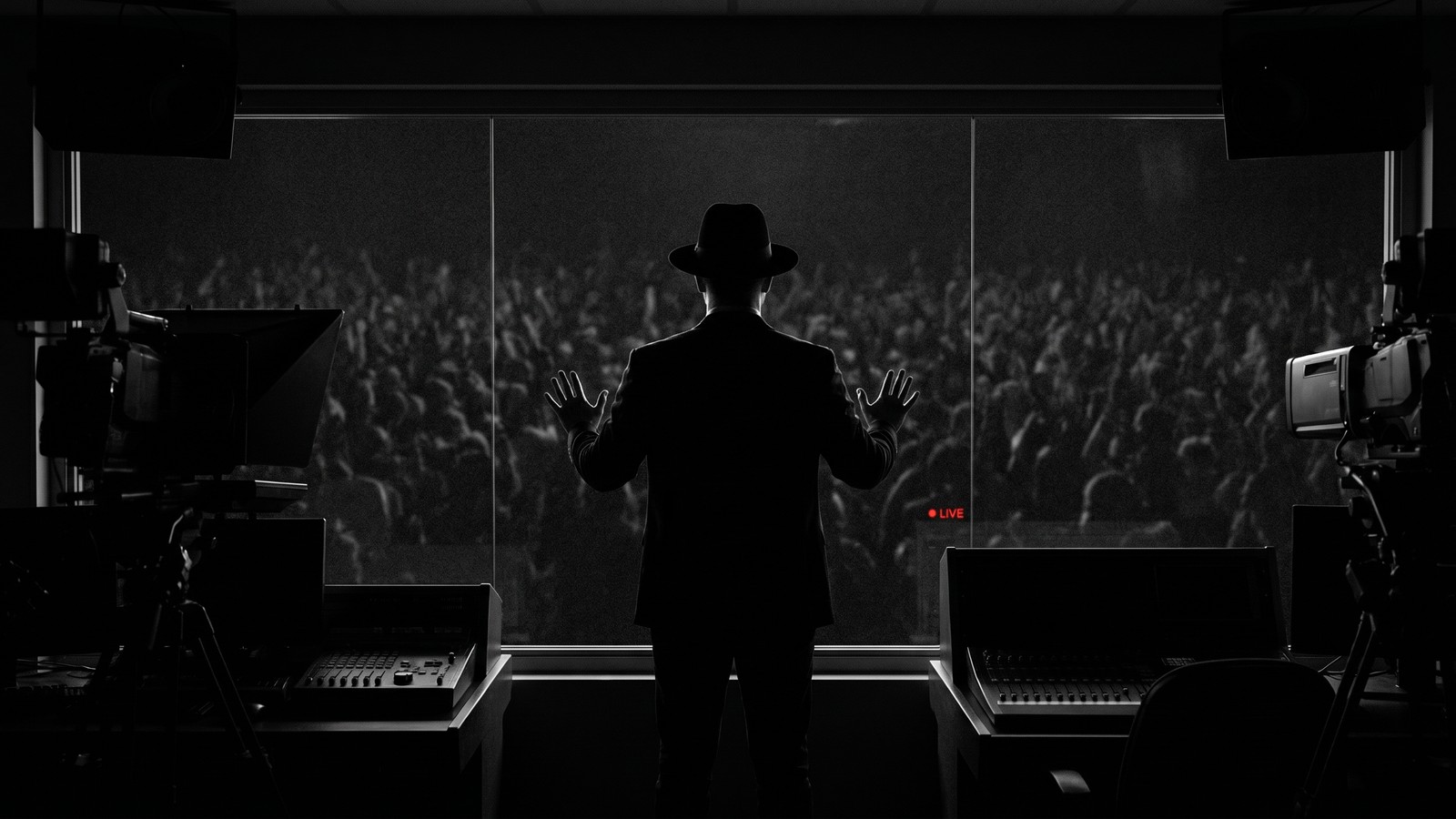
A credit card loyalty program just outmaneuvered traditional media. Sit with that for a moment.
Bilt Rewards — a fintech company structured around turning rent payments into loyalty points — built a monthly cultural event that featured Kendrick Lamar, Alicia Keys, and Diplo, drawing millions of members not because of the financial product, but because of the experience the financial product had learned to host. Monthly drops. Live events. Something to look forward to that had nothing to do with the mechanics of a rewards program.
That is not a media company. That is a financial product that behaved like one before anyone gave it permission to.
The Default Instinct Is Wrong
In B2B and corporate environments, the instinct is deeply ingrained: stay professional, stay safe, stay in your lane. Do not risk the brand on anything that might be perceived as off-message. Let the product speak for itself. Run the campaign. Measure the impressions.
And what does that produce? Interchangeable brands. You know what they do. You cannot remember their name. Their content is technically correct and completely forgettable. Their campaigns are well-executed and invisible against everything else competing for the same attention in the same channels using the same playbook.
Bilt looked at the lane and decided the lane was the problem. They did not ignore their product — they understood that the product alone was insufficient to create the kind of relationship with members that actually builds compounding loyalty. So they built a cultural layer on top of it. Not because cultural moments are inherently better than product features, but because attention is no longer captured by information. It is captured by experience.
The Rationalization That Keeps Brands Small
The moment you share this kind of story in a B2B room, someone raises their hand with some version of the same objection: That's consumer. That's not us. We're different. Our buyers are rational. Our category is serious. That kind of thing doesn't apply here.
Sure. But the logic transfers.
There is an audience that cares about your industry. There is a community that would gather around your expertise if someone gave them a reason to. There are conversations your buyers wish someone credible would host — on the topics that actually matter, not the press-release talking points that populate most industry content. The demand is there. Most brands are simply too cautious to become the platform that serves it.
The question is not whether your buyers respond to experience and culture. The question is whether anyone in your category is bold enough to provide it before you do.
Narrative Control Before the RFP
Here is the part that gets overlooked in most discussions about brand media: the point of becoming a cultural or intellectual platform is not awareness. It is not impressions. It is not even lead generation in the short term.
It is narrative control.
When buyers start their week with your thinking — your morning show, your editorial voice, your point of view on what is happening in the industry — you influence how they frame problems before they ever write an RFP. You shape the vocabulary of the category. You determine which questions are worth asking and which solutions are worth considering. By the time a buyer reaches the consideration stage of a purchase, the brand that has been hosting the conversation they trust is not a vendor. It is a reference point.
That is an entirely different competitive position. And it is not available to brands running campaigns like it is 2016.
The Window Is Open, But Not Forever
Every category has a moment where the first credible brand to build a real editorial or cultural platform captures a position that becomes very difficult to displace. That moment is not infinite. Early movers in category-defining media compound their authority over time. Late movers spend twice as much to catch up and rarely fully do.
Someone in your industry is going to make this move. They are going to stop running feature-focused campaigns and start building the platform your buyers gather around. They are going to become the default voice in your category not because they outspent you, but because they showed up every day with something worth engaging with while you were still waiting for budget approval on the next product launch video.
A fintech company just embarrassed traditional media by understanding something media companies forgot: the platform is not the product. The platform is the relationship. Build the relationship first, and the product follows with compounding loyalty attached.
Who in your industry is bold enough to make that leap? Because someone will. And if it is not you, you will watch them slowly become the category's default voice while you keep optimizing campaigns that no one is talking about.