For roughly twenty years, the race in media, marketing, and content creation has been a race toward polish.
Better cameras. Better lighting. Better thumbnails. Better edits. Better graphics. Better scripts. Better production value. The underlying logic was sound: polish meant you cared. Polish meant you were professional. It separated the amateur from the operator, the serious from the casual, the brand from the noise. And for a long time, that logic held.
That era is ending. Fast.
When Everything Looks Good, Looking Good Stops Meaning Anything
Here is the shift most people are not ready for: AI is about to make polish cheap. Not bad — cheap. There is a meaningful difference. AI will make it easier than ever to produce something that looks impressive. Clean videos. Beautiful images. Polished voiceovers. Slick presentations. Scripts that sound smart. And not just tools that help real people make better things — but entirely synthetic outputs. A fake commercial. A fake host. A fake expert. A fake podcast clip. A fake person saying fake things with fabricated confidence and zero lived experience behind any of it.
At first, people will be amazed. Then suspicious. Then numb. Because when everything looks polished, polish stops being a signal. It becomes noise.
The problem with AI-generated content will not be quality. The problem will be trust. And once trust becomes the question, perfection starts to work against you.
That polished video — was it real? That emotional story — did someone actually live it? That expert insight — did it come from experience, or did someone prompt a machine to sound wise? That beautiful brand film — was there a soul behind it, or just a software stack optimized for engagement?
These are the questions coming. And a lot of creators, brands, marketers, coaches, consultants, and media builders are going to get hit hard by them, because they are still playing the old game. They think better content is the answer. Faster content. More content. More clips, more posts, more carousels, more newsletters, more AI-generated thought leadership, more synthetic authority. But the market is moving to a different question entirely.
Not: does this look good?
But: do I believe this?
Believability Is the New Bar
Believability does not come from polish. It comes from presence. It comes from friction. It comes from history. It comes from someone being willing to be seen in real time, not just uploaded after the fact in a perfectly packaged container.
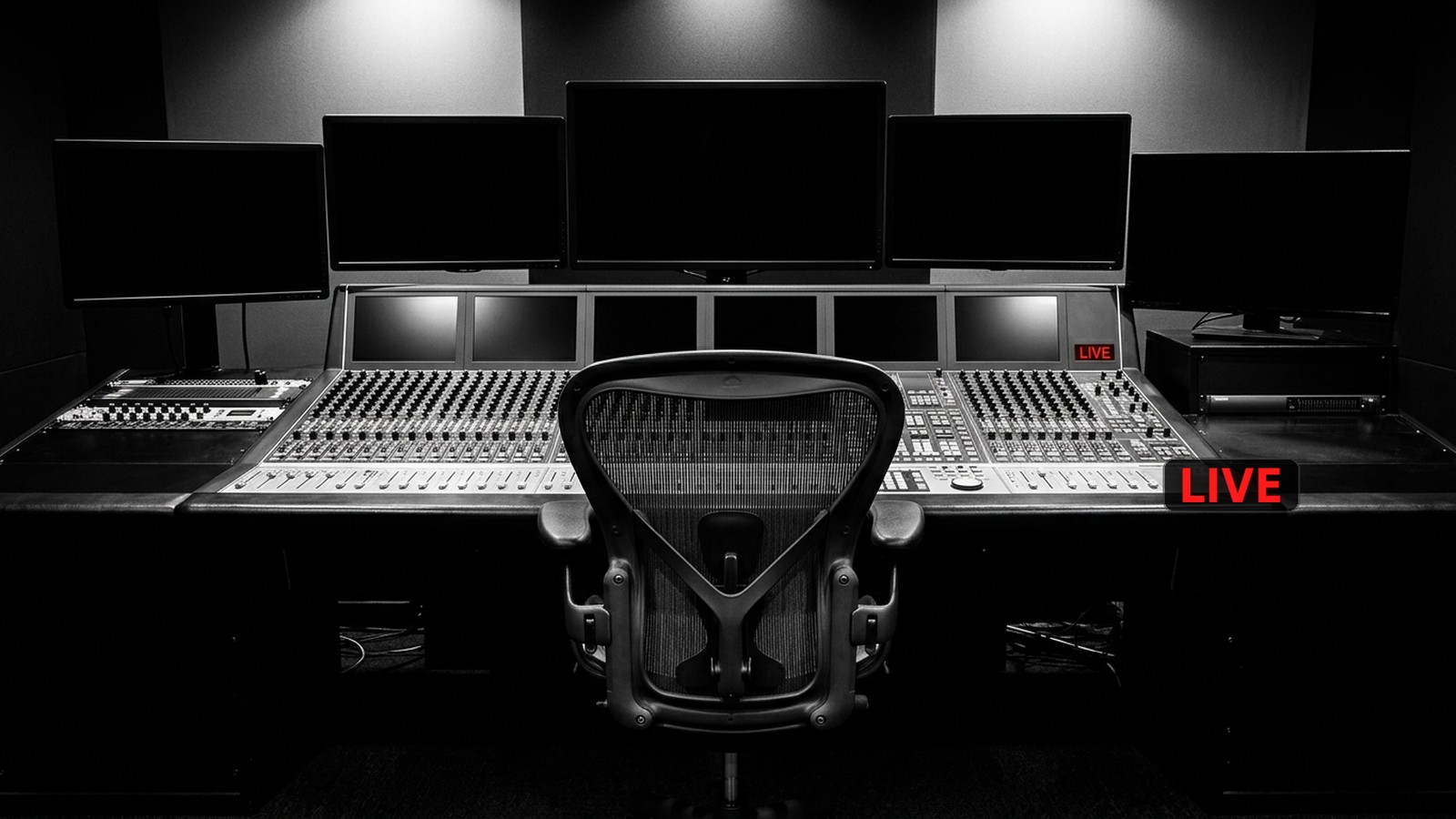
That is why live formats matter — not because live is trendy or because it represents some clever content hack. Live matters because it creates proof. You cannot fully hide inside a live broadcast. You can prepare, structure, use tools, use AI, use production. But when the red light goes on, you still have to be there. You still have to think. Listen. React. Hold the room. Handle the comment you didn't expect. Carry the energy when the plan changes. Say the thing you hadn't planned to say but that needs to be said.
That is proof. And proof is about to become premium.
In a world where content can be generated endlessly, the human being becomes the signal. Not the edit. Not the camera angle. Not the thumbnail. The human. The judgment. The taste. The lived experience. The nervous system. The ability to sit inside a real moment without disappearing into performance.
That is what people will start trusting. And that is why perfect content is going to feel cheap — not because it looks bad, but because perfection will become common. A perfect script will be common. A perfect voice will be common. A perfect AI avatar delivering perfect-sounding advice will be common. But aliveness? That will be rare. Specificity will be rare. Actual perspective — a real human with a real point of view and real consequences attached to what they say — that will be rare. And rare is valuable.
The Flood Is Coming
The internet is about to flood. Not a trickle — a flood. With content. With voices. With fake expertise and perfect-looking garbage. With people who have never done the thing confidently teaching the thing. With synthetic confidence and manufactured emotion and beautiful nonsense that takes maybe eleven seconds to generate.
And when a flood comes, people do not look for more water. They look for ground. Something solid. Something repeatable. Something they can stand on. That is what trust is — ground. And trust is not built by dropping polished posts into a feed full of strangers. Trust is built through repeated presence. Same time, same place, same voice, same room, same energy — again and again and again. Not because you were impressive once. Because you showed up repeatedly. Because you let people see you think in real time. See you wrestle with something. See you laugh. See you get it wrong sometimes. See the difference between a performance and a person.
I want to be direct about something: none of this is an anti-AI argument. We build with AI. We use it to create characters, build systems, construct production infrastructure that would have been impossible a few years ago. The tools are not the problem. The mistake is confusing the tools with the trust. AI can help you make things. It cannot automatically make you matter. It can help you produce. It cannot make you believable. It can help you sound smart. It cannot give you a life you didn't live.
That line is going to become more important every single day.
The Question That Changes Everything
Right now, most of the content industry is asking one question: how do we make more?
Wrong question.
The question that actually matters is: how do we become more trusted? That is a very different business. A very different strategy. A very different kind of creator. And, honestly, a very different kind of person — because this dynamic extends well beyond media.
A lot of people are doing the same thing to their personal brands that the content industry is doing to media: polishing the outside while avoiding the truth inside. Better bio, better photos, better posts, better performance. But at some point, polish cannot cover emptiness. At some point, the question that lands is simple: Do I believe this person? Has he lived enough to say what he's saying? Is he present? Or is this another performance?
The future will not belong to the most perfect voices.
It will belong to the most trusted ones.
And trust is earned in public, in real time, through presence, through repetition, through honesty, through taste, through showing up when it would be easier and cleaner to hide behind the machine.
So use AI. Use the tools. Build with them. Experiment. But do not confuse output with authority. Do not confuse production value with presence. Because the audience is getting smarter, the internet is getting stranger, and the machines are getting better. Very soon, perfect content is not going to make people lean in.
It might make them pull back.
The question will not be who made this look good. The question will be: who do I trust enough to come back to tomorrow?
That is the game. And when perfect becomes cheap, real becomes priceless.