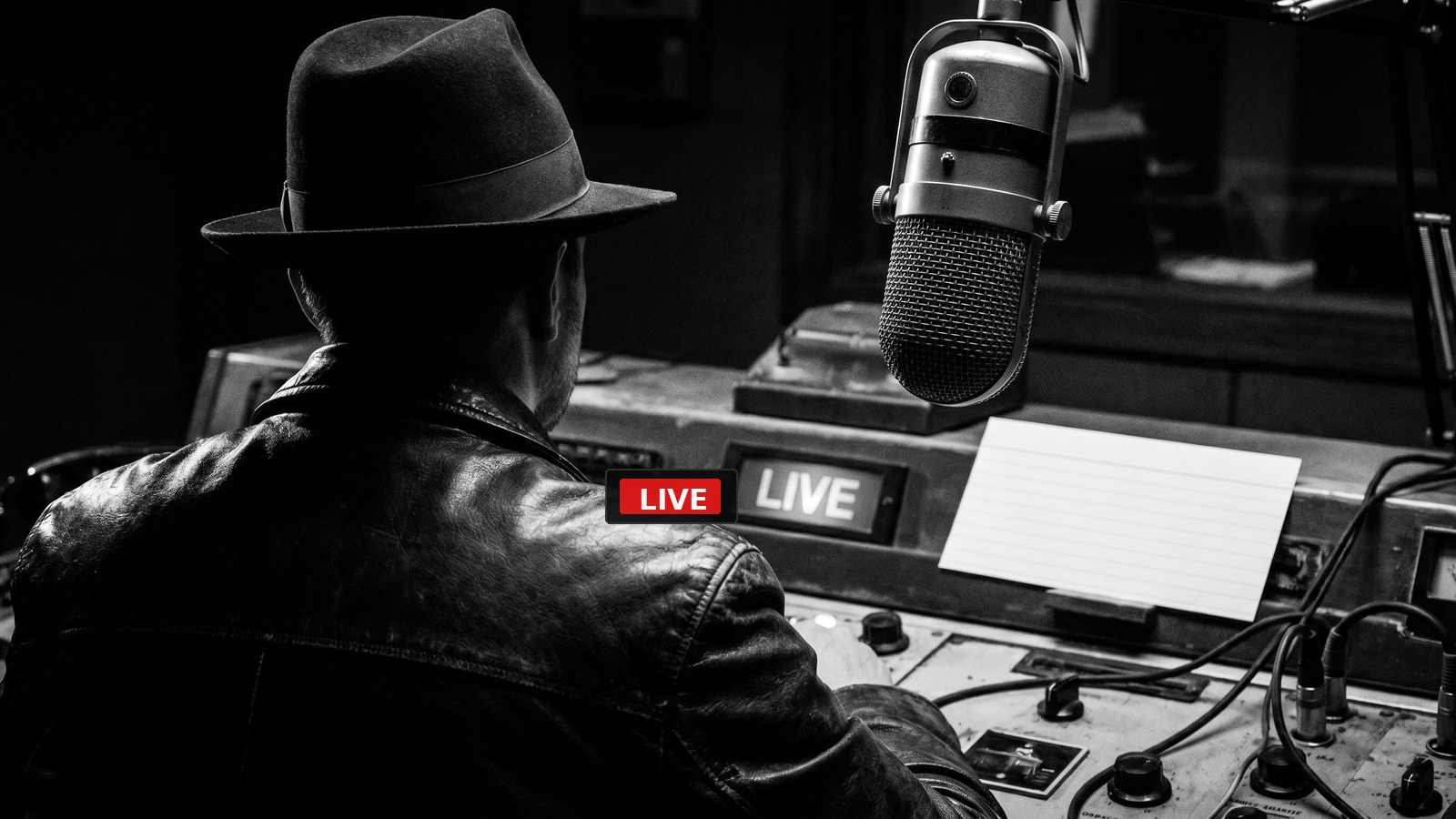
Yesterday I caught myself doing it again.
Not lying. Just… adjusting. Softening a sentence. Changing one word to something less likely to land awkwardly. And I had this weird moment where I could see the trade happening in real time: truth, exchanged for approval.
I've been here before. I know this move.
How I Got Good at Disappearing
I'm good at approval. That's the honest version of it. I built companies by learning rooms — reading the temperature in seconds, becoming whatever keeps things smooth. That skill is real. It makes you money. It makes rooms easy. It makes people comfortable around you.
It also makes you foggy.
Because once you get rewarded for being palatable, you start treating your real opinion like it's a liability. You start saying "maybe" when you mean no. You start saying "interesting" when you mean that's wrong. You start saying "I'll think about it" when you know you won't. And you call it being professional — but it's not professionalism. It's self-editing. And self-editing becomes self-erasing if you do it long enough.
I used to think being liked was the goal. Genuinely. So I got very good at it. I became the guy who can walk into a room and make it smooth, make it easy, make everyone feel fine. I can read the room in eight seconds and become whatever keeps the peace.
That's cool. Until you realize what you just confessed. "I can become whatever keeps the peace" is also another way of saying: I can disappear on demand.
The Hidden Rule of Being Liked
Here's the hidden rule that comes with choosing to be liked: don't surprise anyone. Don't challenge the room. Don't say the thing you actually mean if the thing you mean makes people uncomfortable.
That rule is the death of a builder. Because building, by definition, requires saying things that haven't been proven yet — and unproven things make comfortable people uncomfortable. Every real idea I've ever had was inconvenient to someone. Every standard I've ever held cost me something in the short term.
And if you've trained yourself to optimize for approval, you will sand down those ideas before they're ever spoken. You'll kill them in your own head before the room even gets a chance to react.
Why Live Changes Everything
I love live for one specific reason: live doesn't let you negotiate with yourself.
When you're live, you can't workshop your personality. You can't run your opinion through five people and ask if it's safe to say. You can't sanitize your truth before it reaches anyone. Live is the lie detector. And that's why most people avoid it — not because they're busy, but because live reveals whether you're real or rehearsed.
In a world where AI can generate perfect, the only advantage left is real. Not polished. Not optimized. Not pre-approved. Real.
The Line I'm Drawing
So here's where I am: I'm not here to be liked. I'm also not here to be deliberately controversial — I don't need the attention that bad. I'm here to be true.
Truth isn't mean. Truth is clean. Truth is: that doesn't work for me. Truth is: I don't believe that. Truth is: I'm building something you don't understand yet — and that's okay.
I'm not building a life that requires me to be liked. I'm building a life that requires me to be true. True when it costs me a relationship. True when it costs me a room. True when it costs me the comfortable version of the story.
Because the only thing worse than being disliked is being applauded for a version of you that isn't real.
If you're reading this and you feel that itch — the one that says, I should say the safe thing — ask yourself one question: am I being strategic, or am I being scared? Fear is expensive. It charges interest every day.
And the people who require you to be smaller were never your people anyway.