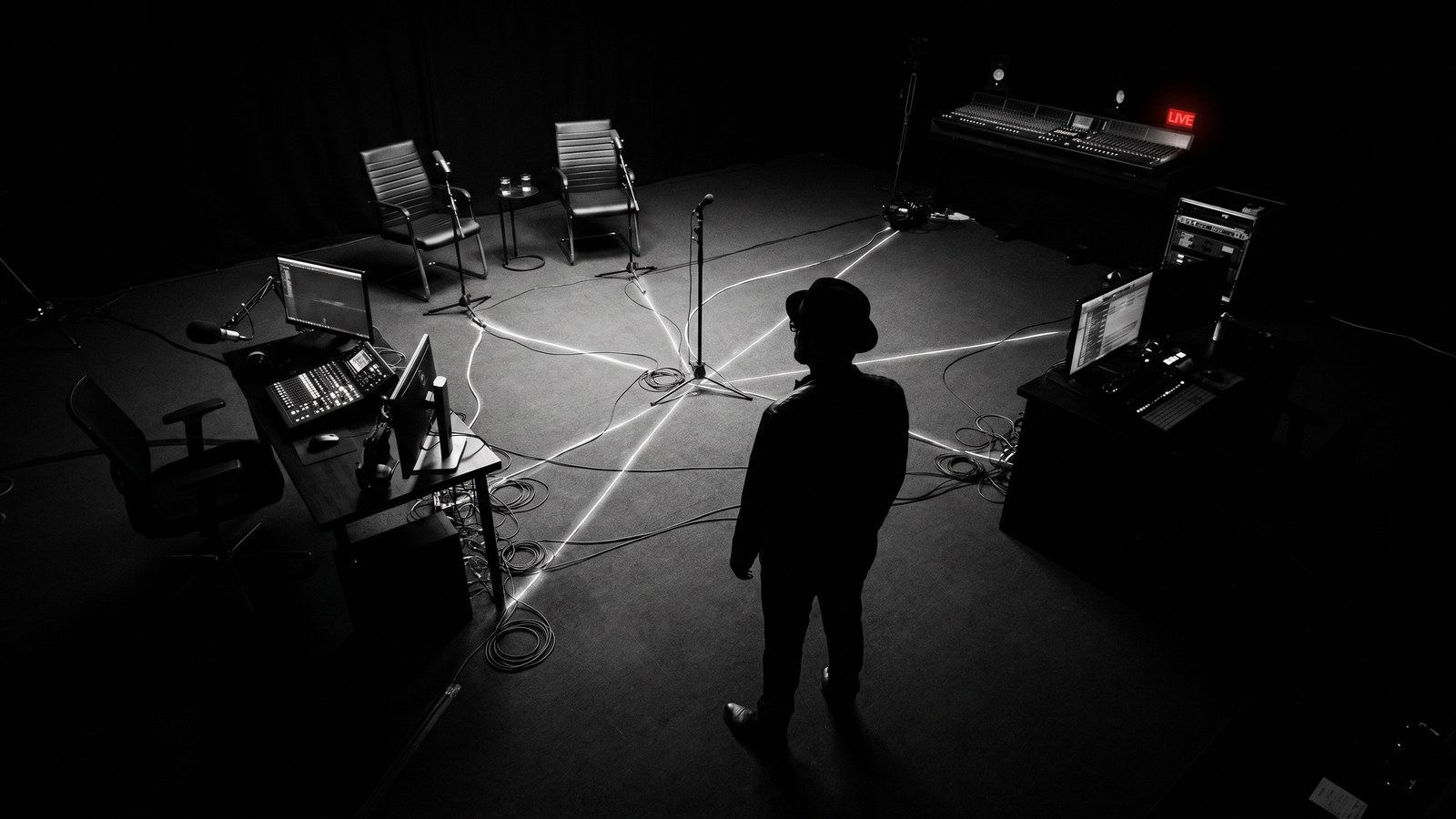
Around episode 100, something changed in the room. Not in the metrics. Not in the sponsorship inbox. In the chat.
The regulars — the people who had been showing up every morning for months — stopped talking exclusively to the host. They started talking to each other. Not about the show, not about the content. About their work. Their problems. Their ideas. Introductions happened. Collaborations started. People were getting business done in a chat window that had started as a broadcast comment section.
That shift carries a lesson that most hosts, most community managers, and most brand operators never fully absorb: you are not the most important relationship inside your community. You are the catalyst.
What a Catalyst Actually Does
In chemistry, a catalyst enables a reaction without being consumed by it. It creates conditions for something to happen between other elements and then steps back. The reaction is the point, not the catalyst.
Community building works the same way — once you understand the actual job. The host's role is not to be the center of every conversation. It is to create the conditions under which conversations worth having can start and sustain themselves. Consistency. Energy. Standards. Show up with the same quality of presence every day, and the ecosystem starts to self-organize around that gravity.
You cannot force that. You cannot automate it. You cannot buy it in any meaningful sense — you can buy initial attention, but you cannot buy the moment when two strangers in your community discover they can help each other. That moment is earned, and it is earned in aggregate, across hundreds of appearances and thousands of small interactions that signal to people that this is a place worth inhabiting.
Why Live Is Different
Social media creates audiences. Live creates communities. The distinction matters more than the industry usually admits.
An audience receives content. A community shares time. And shared time — real-time presence, the knowledge that everyone in the room is watching the same thing at the same moment — builds something that no amount of polished pre-recorded content replicates. It builds shared identity.
Shared identity is the substrate of loyalty. When people feel they belong to the same thing, they protect it, advocate for it, and return to it habitually — not because they are fans of the host, but because they are members of something. The host is how they got there. The community is why they stay.
This is what live shows do differently than social media content. Social is optimized for individual reactions — likes, shares, saves, individual engagement events. Live is optimized for collective experience. The two produce different outputs. Social builds reach. Live builds roots.
The Network Effect No One Talks About
Every genuine connection that forms inside a live community strengthens the brand in a way that no marketing metric fully captures. Every introduction — host to guest, guest to guest, member to member — adds a strand to a web that is increasingly difficult to replicate or compete with.
When someone from your community introduces two other people from your community and a collaboration starts, your brand is in the room for that outcome without spending anything. When a member refers a colleague because they think that colleague belongs in the space, your audience is doing your growth work. That is compounding network value — and it only emerges when you have built the conditions for it, not when you have built a platform for broadcasting at people.
That compounding network value is also what makes communities genuinely hard to disrupt. An audience can be stolen by a better algorithm, a lower price, or a louder voice. A community is harder to steal because its value is not primarily in the host — it is in the relationships between members. Those relationships exist whether the host is there or not. That durability is what separates a real community from an engaged audience, and what makes the investment in building one worth the patience it requires.
The gravity of a real community is also a moat. It is not the kind of moat that gets disrupted by a better product or a lower price. It is a relational moat, built from the accumulated social capital of hundreds of interactions between people who would not have met without the show as a node.
Seven Hundred Reps, Same Answer
Seven hundred episodes in, the formula has not changed. Show up. Be worth showing up for. Let the ecosystem form.
The operator who tries to control the community, to position themselves as indispensable to every interaction, is working against the thing they are trying to build. The operator who creates the conditions and then gets out of the way — who celebrates the connections they did not broker, who amplifies the members rather than always centering themselves — that operator is building something that grows past their individual contribution.
The strongest communities do not feel like audiences. They feel like places people belong. And the host's job, done right, is not to be the center of that place. It is to be the reason the place exists at all — and then to become just one valued member of it among many.
Show up. Create the conditions. Then let the room do what rooms do.