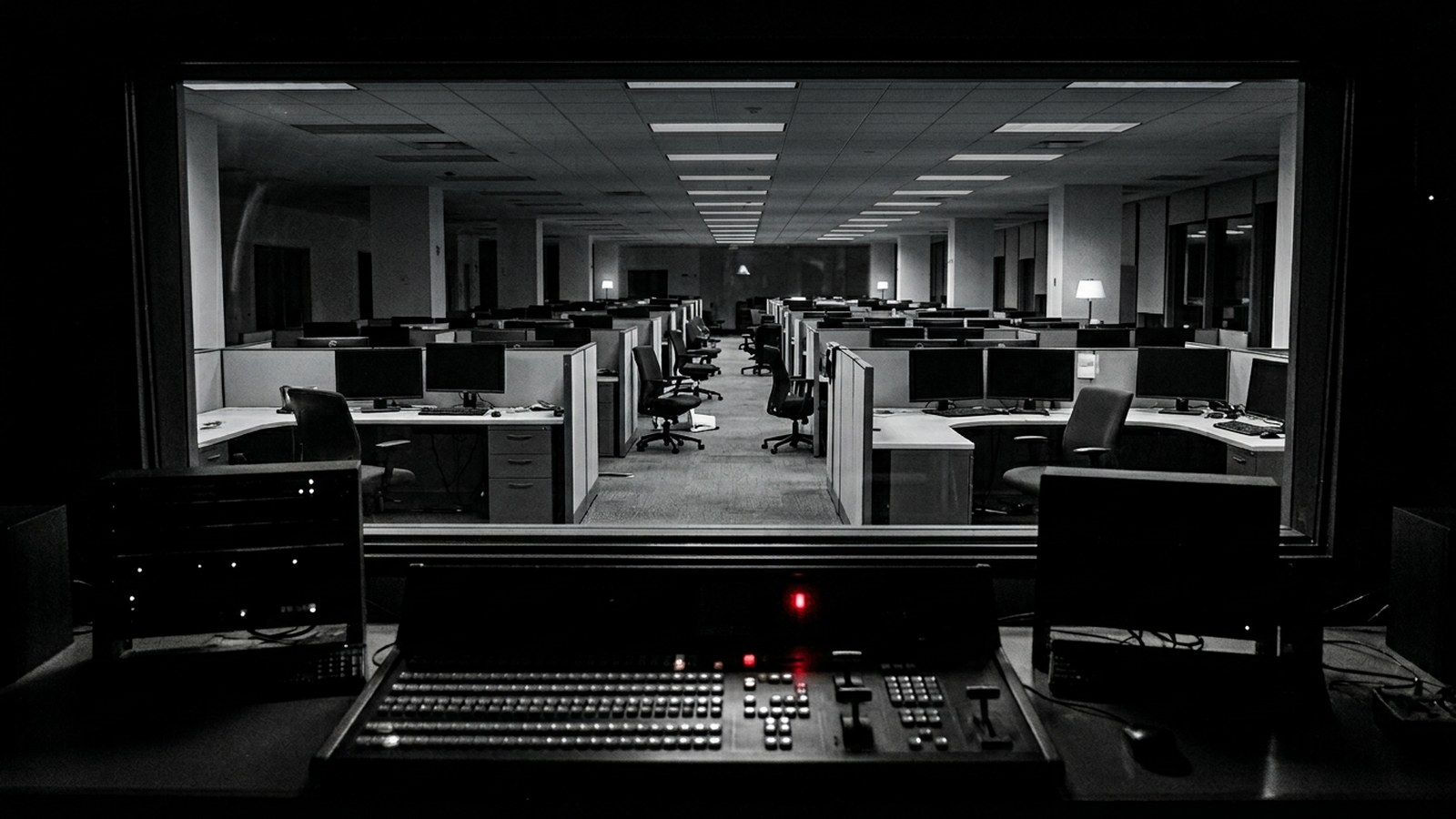
A lot of people are blaming AI for the layoffs sweeping through corporate America. That's too easy — and honestly, it lets the real culprits off the hook.
AI did not suddenly create weak leadership. AI did not invent bloated org charts. AI did not force companies to spend years hiring layers of middle management, building fake productivity systems, and rewarding people for looking busy instead of being useful. AI is not the disease. It's the scan. It's the machine that just lit up the X-ray and showed everybody where the rot already was.
The Real Headline Nobody Wants to Run
Companies are cutting jobs while pouring money into AI. Reuters has reported that firms across tech and beyond are shedding workers as investment shifts toward AI, with Block, Dell, Oracle, Atlassian, and others tied to this broader trend. And look, people are right to be scared. But not because some algorithm is coming for everyone tomorrow.
They should be scared because this moment is exposing something far more uncomfortable: a shocking amount of modern work was never as essential as people wanted to believe. That is the real headline. For years, entire companies hid behind cheap money, inflated headcounts, endless meetings, and systems built to maintain the appearance of progress. Not progress. Appearance. Slide decks. Status calls. Internal politics. Five people managing two people who weren't shipping anything that mattered.
And now AI walks into the room like the person who asks the question everyone was afraid to: Why does this take twelve people? That's not just a technology question. That's an indictment.
This Is a Standards Story
People get sentimental here and say AI is taking the human out of work. No. A lot of companies took the human out of work a long time ago. They turned contribution into bureaucracy. They turned talent into maintenance. They turned meaning into process. AI is just making it harder to hide — and that's the distinction that matters.
This is not primarily a technology story. It's a standards story. Weak companies are getting caught. Mediocre organizational design is getting exposed. And leaders who built cultures around comfort instead of output are discovering that the future has no interest in protecting their inefficiency.
That sounds harsh. Good. It should. Because we've spent too long pretending every role is sacred, every workflow is necessary, and every company deserves to survive just because it exists. If your business only works when nobody asks hard questions — if your team only looks productive inside a broken system — if your value disappears the second the software gets sharper — then the problem is not AI. The problem is that you were standing on weak ground and calling it a career.
Executives Aren't Off the Hook Either
And this is not just about individual workers. A lot of executives are going to use AI the exact same way they used digital transformation, remote work, and every other trendy phrase before it: as cover. Cover for bad leadership. Cover for cowardly decisions. Cover for not knowing how to build lean, clear, high-performing organizations in the first place. The tool changes. The avoidance pattern doesn't.
The New Minimum Standard
The era of getting paid just to sit inside a system is ending — fast. The people who survive this shift won't be the most credentialed or the most corporate. They won't be the best at Slack, meetings, or office politics. They'll be the clearest thinkers, the fastest learners, and the highest-agency people in the room. The ones who can create, decide, adapt, sell, lead, and move.
So maybe the question is not will AI take my job? Maybe the better question is: was I doing something so valuable, so sharp, so undeniably useful that no serious company would ever want to lose me? That's a brutal question. But in 2026, it might be the only honest one worth asking.