This week, something shifted. Not in tone. Not in strategy. In reality.
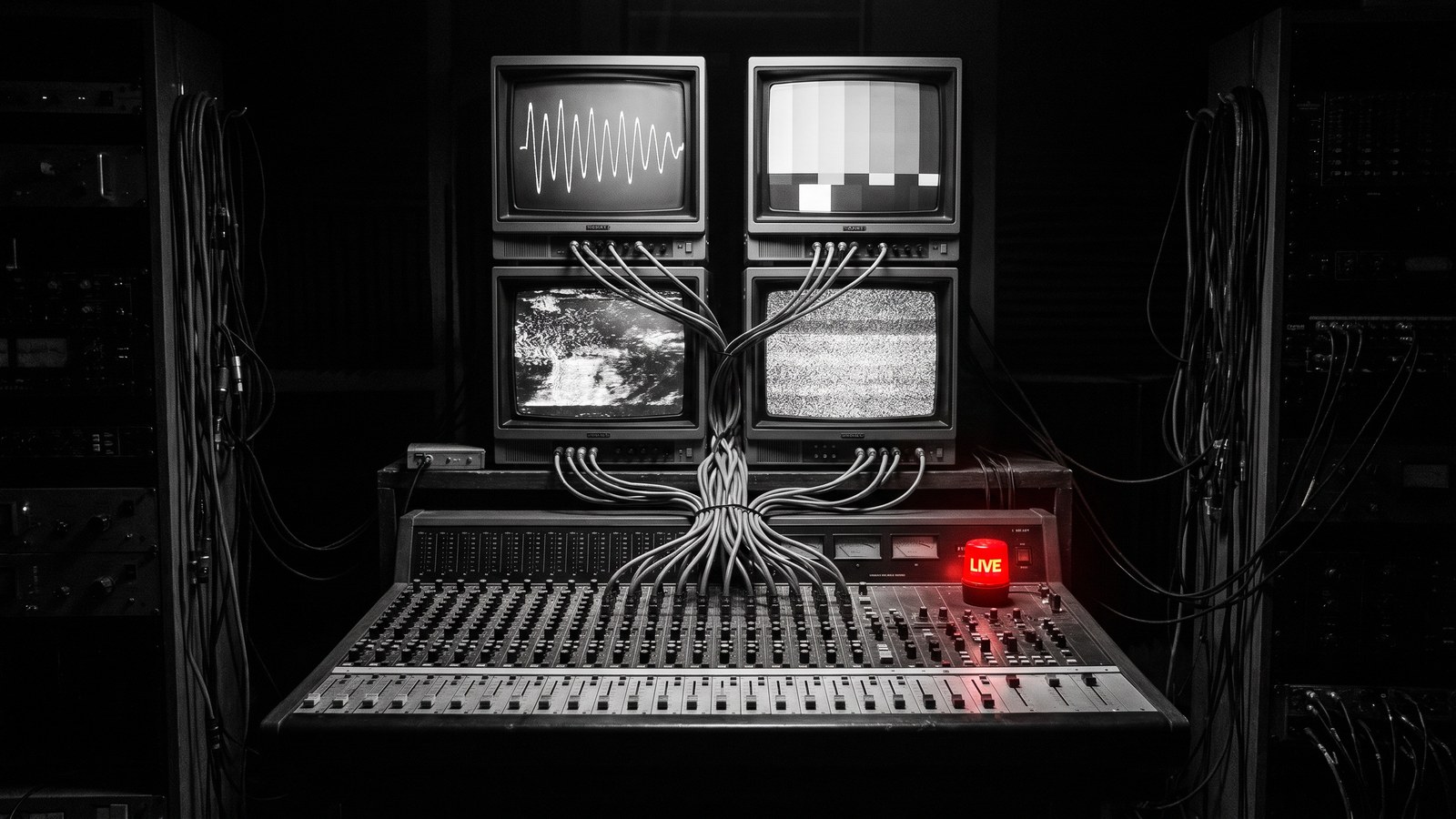
The Mornings in the Lab LIVE Network stopped being a concept and became a machine. Four shows. Running. Breathing. Shipping. And if you have never built a network from the ground up — not a channel, not a brand, not a content strategy — you will look at this and think: cool, they are doing shows.
No.
Four Shows Is a Different Statement Than One
There is a meaningful line between a creator and a network. A creator makes something. A network makes a system that makes something. Consistently. At scale. Without depending on any single day, any single show, any single person being perfect.
Four shows is that line.
The first show is Joy — real humans, real spirit, the kind of warmth that makes cynicism feel like a bad investment. Then there is The Jason Hewlett Show, built on craft and presence that you either have or you do not. Then Kindness Rising — and do not make the mistake of confusing kindness with softness. Kindness is power that does not need to dominate the room to prove itself. And then Mornings in the Lab with Keith, Jon, and Friends: the daily anchor. The consistent signal. The place where the chaos of the world gets turned into something usable.
Four shows running simultaneously is not content. It is a nervous system.
What People Do Not See
Behind every visible output is an invisible system holding it up. The hours that do not make it to camera. The late nights that do not look like hustle — they look like obsession. Not the motivational kind. The kind where you will do it again and again until it is undeniable.
The team is not building shows. They are building a system that produces shows. That distinction matters more than almost anything else in media right now, because most creators are one bad week away from disappearing. A system is not.
And here is the part nobody wants to say out loud: the future is not going to arrive and ask if you are comfortable. It is already walking through the door. Half the internet is still standing in the doorway in slippers debating whether AI is ethical enough to acknowledge. Meanwhile, the machine is running.
AI as Infrastructure, Not Spectacle
The network is integrating AI the way a serious operation integrates electricity — not as a feature, not as a talking point, as infrastructure. Real humans. Synthetic characters. Live conversation. Community participation. A way of telling stories that does not depend on luck, algorithm favor, or the right clip going viral on the right day.
Most people are still making the same content in the same formats with different thumbnails and calling it iteration. The algorithm gave them a turn. Now the turn is ending and they can feel the ground moving. That is not AI's fault. AI is just exposing what was always true: a lot of people were not creators. They were repackagers. They were not building something — they were farming attention until the harvest dried up.
The Only Thing That Survives
Live does not let you hide. You cannot edit your courage on live. You cannot perform confidence, cut the awkward parts, and post the polished version. Live is truth at operational speed. And truth, right now, is the rarest and most valuable signal on the internet.
This week I watched the team stop asking for permission. Stop trying to be perfect. Start trying to be real and relentless — which is a different goal and a harder one.
Most people want to be a creator. We want to own the category. Most people are chasing viral. We are trying to become a habit. Most people want clips. We want culture.
The network is not coming. It is already here.
The only question left is whether you are going to watch it get built — or keep posting like it is still 2019 and pretend you do not feel the ground moving.
Because we do. And we are not slowing down.