Let me say something that will annoy the spreadsheet worshippers for exactly one second.
Numbers are good. Numbers are useful. Numbers can point you in the right direction. But if you're not careful — numbers stop being instruments and start being idols. And that is a very different relationship.
The Speed Limit Is Not the Answer
Take the most mundane example imaginable: the speed limit. The sign says 50. Most people's brain immediately registers: 50 is the answer. Drive 50.
No. That is a suggestion with conditions attached.
Because 50 does not know if it is raining. It does not know if your tires are bald. It does not know if the road is ice, or construction, or chaos, or if the driver behind you is auditioning for the Manitoba sequel to Fast & Furious. The number is a reference point. Not a verdict.
We do not treat it that way, though. We treat it like a scoreboard. We see the number and we stop thinking. And we carry this exact same failure mode into business, into health, into relationships, into every domain where we should be exercising judgment and are instead outsourcing it to a metric.
The Age of Number Addiction
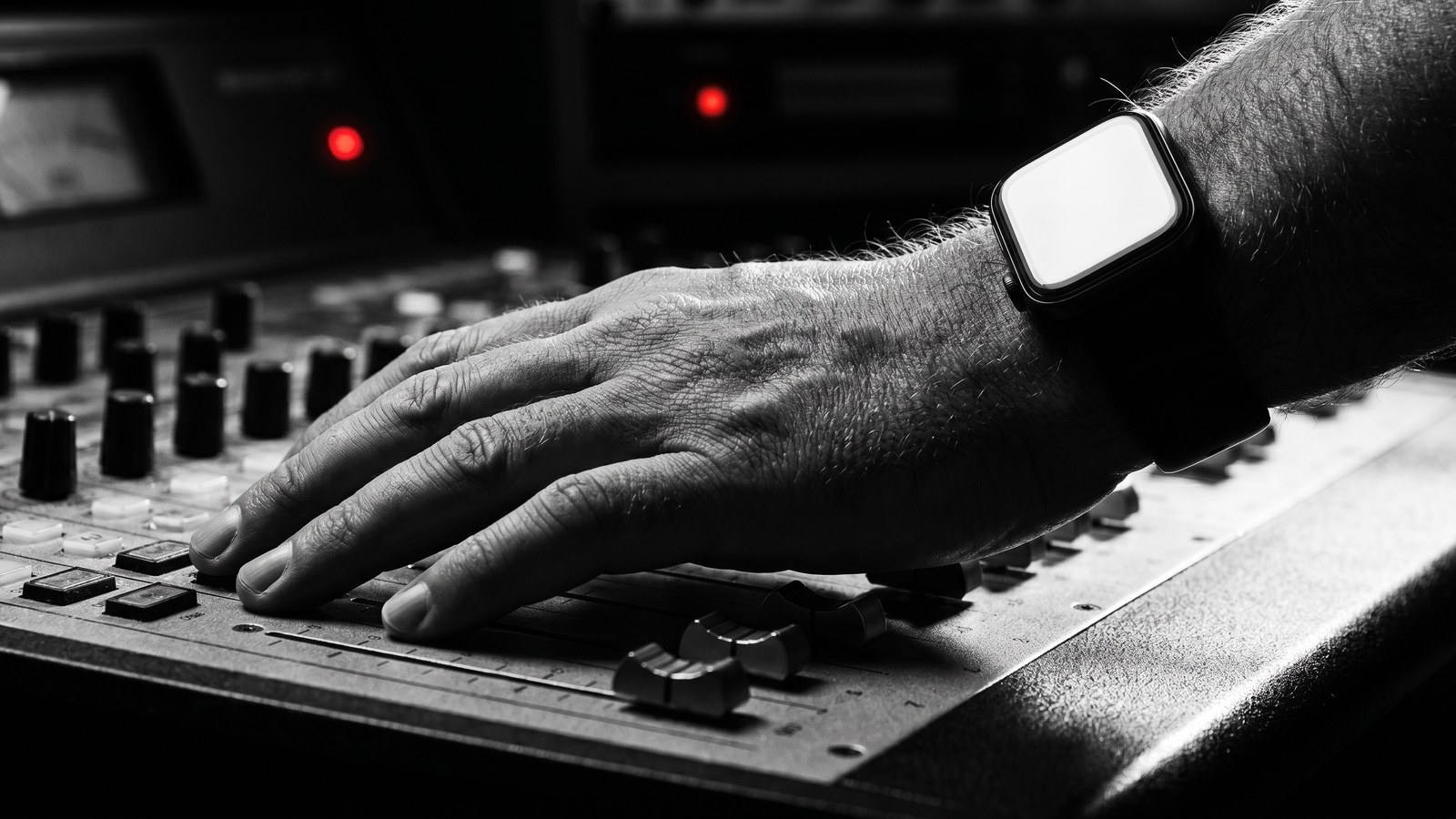
We are living in what I'll call the golden age of number addiction. Your wrist is basically a tiny judgment machine now. Steps. Calories. HRV. Sleep score. Strain. Recovery. Zone minutes. VO2 max. Readiness. Stress.
And here is the scenario nobody talks about honestly: you wake up and you feel great. I mean actually good — clear head, strong, ready. Then you look at your watch and it says 63% readiness. So what happens?
You stop trusting yourself. You don't trust your body. You don't trust your gut. You don't trust your actual lived experience. You trust the number. You let a device that was not there for your night — your actual sleep, your actual recovery, your actual state — override the most sophisticated biological feedback system on the planet: you.
That is not data literacy. That is a hostage situation.
Numbers Feel Safe. That's the Trap.
Numbers are seductive because they feel clean. A number feels certain. A number feels like control. And control is something we are all quietly desperate for when life is complex and uncertain — which is always.
But life is not clean. Life is variables. A number without context is not clarity. It is a hallucination of clarity. It gives you the feeling of knowing without the substance of it.
I have lived in dashboards. I have scaled companies. I have watched numbers like a hawk for years. And I will tell you the truth that is hard to say when you have built your identity around being analytical: sometimes the number is wrong. And more often — it is technically right but you are using it wrong.
What We're Actually Losing
When we give a metric the final word, we lose something important. Not emotions as chaos — I am not talking about that. I mean feeling as signal. The quiet, precise, body-based signal that says:
- I need rest.
- I need to push today.
- That person is off.
- That decision is wrong.
- That opportunity is real.
- I am not okay.
- I am alive.
These are not soft feelings. These are data. They are just data that does not export cleanly to a spreadsheet, so we have started treating them as if they do not count.
And here is the uncomfortable question sitting underneath all of this: if you can't measure it, does it still matter? Because somewhere along the way, we started living as if only measurable things do. You can hit every metric and still feel empty. You can crush revenue and still feel disconnected. You can hit your "ideal weight" and still hate your body. You can build a big audience and still feel alone.
I have lived in both worlds. Metrics and meaning. And I will tell you: numbers will never replace wisdom. Numbers will never replace intuition. Numbers will never replace the truth you feel in your bones.
The Frame That Actually Works
Here is the reframe I want you to take from this:
Numbers are guardrails. Not gods.
Use them to notice, not to obey. Use them to learn, not to judge. Use them to adjust, not to define you. The moment a number is running your mood, your confidence, or your decisions — that is not performance optimization. That is surrender.
So today, check the numbers. Then check yourself. What do you actually feel? What do you know that the dashboard cannot know? What does your experience tell you that the algorithm cannot access?
Because if we are going to live like business athletes — we do not just train metrics. We train judgment. We train awareness. We train honesty.
Humans first. Always.
And here is the punchline: if your watch says you slept like trash but you feel incredible — congratulations. You just beat the algorithm. That is not a bug. That is exactly the point.