Somebody asked me recently what leadership actually looks like to me. Not the definition. Not the quote. The real-time version — what it looks like in the moment when it counts.
And I didn't have to think about it very long.
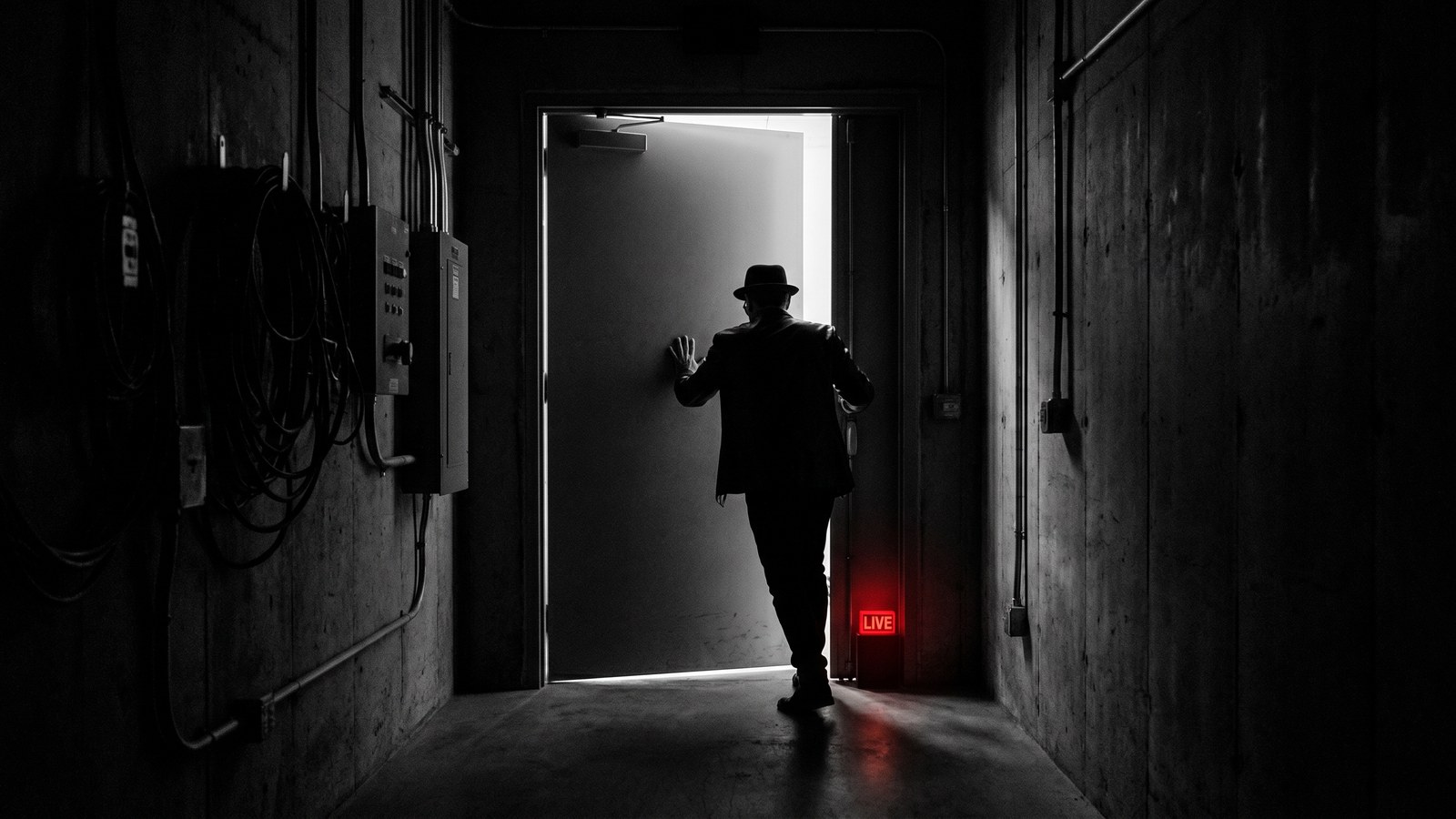
Leadership is going first through the door.
That's it. That's the whole thing, distilled. Not the title. Not the corner office. Not the strategy deck or the keynote or the curated LinkedIn presence. It's the willingness to walk through a door you can't see behind — and to do it in a way that makes the people behind you willing to follow.
What the Door Looks Like
The door looks different depending on the day. Sometimes it's a hard conversation nobody else wants to start. Sometimes it's a decision that needs to get made before all the information is in. Sometimes it's standing up in a room and saying something true that everyone else has already decided to leave unsaid — because saying it is uncomfortable, risky, or won't play well with a particular audience.
Sometimes the door is admitting you don't know — in real time, out loud, without the cover of spin — and committing to figure it out anyway.
Going first doesn't mean having all the answers. In fact, if you wait until you have all the answers to go first, you're not leading. You're following the facts. And facts don't need a leader. They just need a calendar.
What Leaders Actually Carry
Here's what most leadership content leaves out: the weight.
When you go first, you carry something the people behind you don't. You carry the uncertainty. You carry the gap between what you know and what you told them. You carry the responsibility for being wrong — because you went first, and if it goes badly, that's on you. Not on the team. Not on the market. Not on the timing. On you.
That's not a burden most people volunteer for. And that's exactly why the people who are willing to carry it — genuinely willing, not performatively willing — are rare. And valuable. And absolutely necessary.
Real leadership is also about protection. When things go sideways, the leader stands in front. Not behind, not beside — in front. Taking what comes so that the people doing the work have the space to keep doing it. That's not a metaphor. That's a practice. And the people around you know whether you actually do it or whether you just talk about it when the room is safe.
Clarity, Speed, and the Courage to Say What's True
Leadership shows up in three moments more than any others, in my experience.
The first is clarity. When things are noisy and everyone is reacting, the leader slows down just enough to see the actual problem. Not the surface problem. Not the symptomatic problem. The root. And then they say it plainly, even if plain is uncomfortable.
The second is speed. Good leaders make decisions. They don't live in analysis paralysis. They gather enough information to commit, they commit, and if it turns out to be wrong, they adjust fast. The cost of a slow decision almost always exceeds the cost of a corrected one.
The third is truth-telling. This is the hardest one. Because truth-telling isn't just about accuracy — it's about the courage to say what you actually see when the room is full of people who want to hear something else. That takes a kind of integrity that is very difficult to perform and very easy to verify. People feel it immediately when it's missing.
The Only Definition That Matters
So if you're asking me what leadership looks like — this is it.
It looks like a person who walks through the door first. Who carries the uncertainty without collapsing under it. Who protects the people behind them. Who speaks truth even when silence would be easier. Who makes the call before all the data is in, owns it when it goes wrong, and adjusts without drama.
It doesn't look like a title. It doesn't look like a stage. It looks like a person at a door that's only slightly ajar, one hand already on it, already moving through — because someone has to, and they decided it was going to be them.
That's the whole thing.