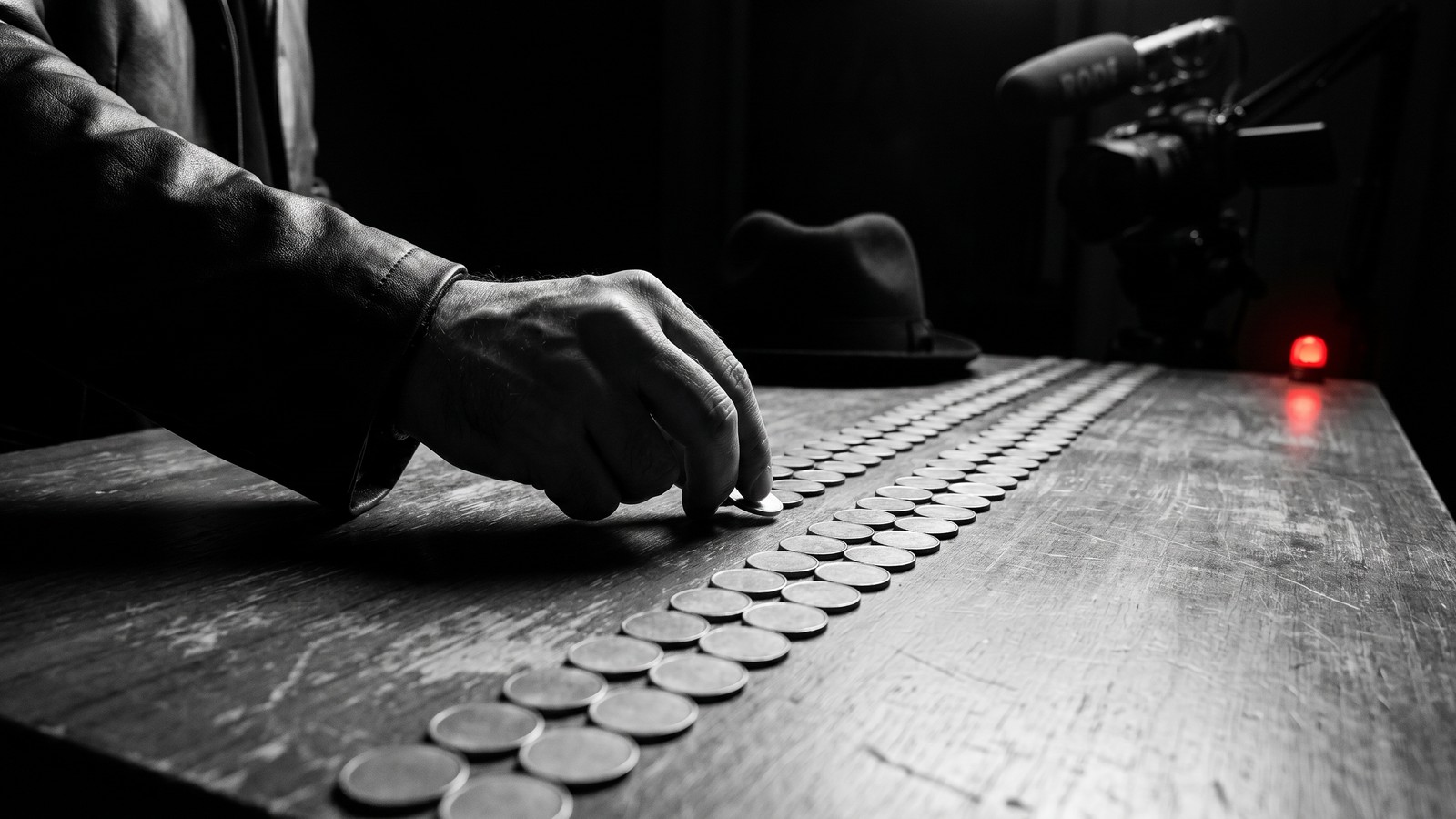
Let me tell you what 700+ consecutive LIVE episodes actually looks like.
No fancy studio. No teleprompter. No crew in headsets sprinting around like it's ESPN. Headingley, Manitoba. Camera. Mic. Stable internet. A guest or a topic I actually care about. That's the full setup.
And here's what surprises people when they hear that: they expect there to be some elaborate production infrastructure keeping the whole thing running. Some system, some team, some secret technology that makes it possible to show up every single morning without missing a beat.
There isn't. The technical setup took a week to dial in. It barely changes now.
Production Is Preparation
The production isn't the gear. The production is preparation. Just enough preparation that I can be present instead of scrambling. That's the distinction that matters and the one most brands miss entirely when they think about live content.
They think production means cinematic quality. Multiple cameras. Motion graphics. A set that looks like it belongs in a network control room. And sometimes, sure, those things are nice. But they are not what makes a live show work. They are not what makes people come back.
What makes people come back is that you were there.
Eight in the morning. Whether I slept well or not. Whether I feel inspired or not. Whether I think the episode is going to be great or thoroughly mid. The calendar says 8AM and 8AM is what happens. That's it. That's the system.
Audiences Don't Form Around Events
Brands treat live content like a film shoot: big prep, big push, then silence. A launch moment with some energy behind it, then a long quiet stretch until the next moment. And then they wonder why it doesn't compound. Why it doesn't build. Why the audience doesn't return with any real loyalty.
The answer is simple and uncomfortable: audiences don't form around events. They form around reliability.
Nobody plans their morning around a brand that shows up when it feels like it. Nobody builds a habit around a content program that operates on a campaign calendar. The relationship doesn't form because there's no rhythm to anchor to. There's no expectation. And without expectation, there's no ritual — and without ritual, there's no real loyalty.
You cannot manufacture the feeling of somebody saying they plan their morning around you. You earn it. One morning at a time. Over a stretch of time long enough that showing up stops being an effort and starts being who you are.
Consistency Is the Product
This is the part nobody wants to hear because it's not exciting: the most valuable thing about 700+ episodes is not any individual episode. It's the number itself. The accumulated presence. The proof that this thing happens every day regardless of circumstances.
When someone new finds the show and sees that it has been going every morning for years, something registers that no single great episode could communicate. This is reliable. This person actually shows up. That registration is trust — and it happens before a word is heard.
Consistency is the product. Not the content inside the episode. Not the quality of the guest. Not the sharpness of any particular conversation. The content matters, yes. But the container — the daily, dependable, unchanging container — is what makes the content land differently than it would if it came from a brand that shows up occasionally when they have something polished to say.
The Uncomfortable Question
Is your brand building a habit? Or just producing occasional content and calling it a strategy?
Because there's a real difference between those two things, and most brands are on the wrong side of the line. They're producing. Launching. Publishing when the calendar allows and the budget is there and everyone feels ready.
Readiness is a trap. Waiting until conditions are ideal is how you end up never building the thing that actually compounds. The people who have built something durable didn't start when everything was perfect. They started, and then they kept going, and the keeping-going was the thing.
The gear doesn't matter. The studio doesn't matter. What matters is whether you are there when people show up looking for you.
Show up. Every morning. That's the product.